Climate change is increasingly being tracked as a present-day health risk rather than a distant environmental concern. The 2026 Lancet Countdown, presented by the World Health Organization as an independent global monitoring report, brings together 54 indicators covering heat, air pollution, infectious disease, food systems, economics and policy. Its central message is that exposure is rising faster than many health systems and communities are adapting.
What the report measures
The Countdown does not describe a single clinical study. It combines multiple global datasets and modelling methods to assess how environmental conditions and policy choices affect population health. This makes it useful for detecting broad trends, while also requiring care when translating global estimates into the experience of a particular person or city.
Among the headline findings, the report estimates that heat-related deaths averaged 36% more per year in the period after the Paris Agreement than during the preceding decade. It also estimates a record 710,000 heat-related deaths in 2023, with more than 70% attributed to human-caused climate change. These are modelled population-level estimates, not counts derived from individual death certificates, and they carry the usual uncertainty of attribution methods.
Why heat matters to health
High temperatures can place added strain on the cardiovascular and respiratory systems and can worsen dehydration, kidney stress and heat illness. Risk is not evenly distributed. Older adults, infants, people who work outdoors, people with certain chronic conditions and those without reliable access to cooling may face greater exposure or have less physiological reserve.
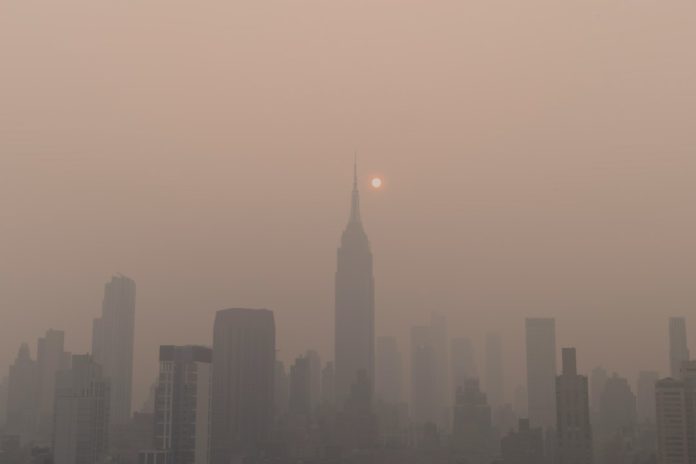
Heat also affects health indirectly. Hot nights can disrupt sleep and recovery. Extreme heat can reduce labour capacity, alter the safety of outdoor work and increase demand on health services. When heat coincides with air pollution, wildfire smoke or power disruption, the combined burden can be more difficult for individuals and local systems to manage.
The report goes beyond temperature
The health effects monitored by the Countdown include more than heat exposure. Climate conditions can influence the geographic suitability for some vector-borne diseases, affect crop yields and food prices, and intensify the health consequences of fossil-fuel air pollution. The report also examines whether governments and institutions are reducing emissions, preparing health systems and financing adaptation.
These connections do not mean that every infection, food-price increase or respiratory episode can be attributed to climate change. Outcomes are shaped by many factors, including housing, income, health-care access, land use, local weather, public infrastructure and individual medical history. Population indicators are most valuable when they are paired with local surveillance and practical preparedness.
What individuals can take from the evidence
Public-health guidance during hot weather remains straightforward: follow local heat alerts, drink fluids regularly unless a clinician has advised fluid restriction, reduce strenuous activity during the hottest part of the day, seek cooler environments and check on people who may be isolated or vulnerable. Anyone who develops confusion, fainting, severe weakness, hot dry skin or other signs of serious heat illness should seek urgent medical help.
People taking medicines or living with heart, kidney, lung or metabolic conditions may need personalised advice during heat events. Medication should not be stopped or changed without speaking to a qualified clinician or pharmacist.
A systems problem as well as a personal one
Individual precautions matter, but the report’s findings point to decisions that cannot be solved by personal behaviour alone. Heat-health action plans, shaded public spaces, cooler homes, occupational protections, reliable electricity, early-warning systems and cleaner energy can all affect exposure at scale. Health services also need capacity to recognise climate-sensitive risks and protect facilities during extreme conditions.
The most useful reading of the 2026 tracking report is therefore neither alarmist nor complacent. It shows a growing, measurable health burden, while also identifying areas where prevention and adaptation can reduce harm. The figures describe global patterns; local risk should be assessed using local weather services, public-health authorities and clinical advice.
Source: World Health Organization summary of the 2026 Lancet Countdown, published 28 October 2026.
This article provides general health information and is not a substitute for medical diagnosis or individual treatment advice.