

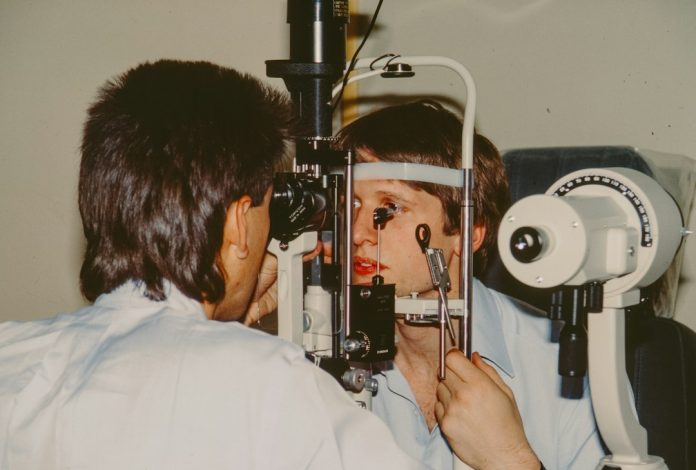
The U.S. Food and Drug Administration is requiring a new warning across the labeling of glucagon-like peptide-1 receptor agonists, or GLP-1 medicines, about a potential increased risk of non-arteritic anterior ischemic optic neuropathy (NAION). NAION is uncommon, but it can cause sudden, painless loss of vision in one eye and may lead to permanent visual impairment.
The update matters because GLP-1 medicines are now widely used for type 2 diabetes, obesity and several related conditions. It does not mean that everyone taking one of these medicines faces a high eye risk, and it does not establish that the medicines directly cause every reported case. It does mean that patients and clinicians need to recognize the warning signs quickly and discuss individual benefits and risks.
What changed
The FDA said manufacturers must add information about the possible NAION risk to the Warnings and Precautions section for all approved GLP-1 receptor agonists. The agency reached that decision after reviewing randomized trials, post-marketing reports, observational studies and data from its Sentinel real-world evidence system.
Across 126 randomized controlled trials, the FDA identified 6.4 probable NAION cases per 100,000 person-years among people receiving GLP-1 medicines, compared with 3.8 per 100,000 person-years among participants receiving placebo or another non-GLP-1 glucose-lowering medicine. Those numbers describe a rare event and should be interpreted with care: trial populations, follow-up time and underlying risk factors differ.
What NAION looks like
NAION occurs when blood flow to the front of the optic nerve is reduced. The underlying cause is not fully understood. Symptoms can include sudden, painless reduction in vision in one eye, a missing area in the visual field, tunnel-like vision, altered color perception or a blurred central spot. Some people first notice the change on waking.
The FDA advises patients to contact a health professional promptly if any of these symptoms appear. Suspected NAION calls for rapid ophthalmology assessment. A previous NAION event in one eye also raises the risk of an event in the other eye.
Do not stop treatment on your own
A safety-label change is not a blanket instruction to discontinue GLP-1 therapy. These medicines can provide substantial benefits for appropriately selected patients, including better glucose control, sustained weight management and, for some approved products and populations, reduced cardiovascular or kidney risk.
Stopping abruptly without a plan can allow blood glucose or weight-related health risks to worsen. Anyone worried about the warning should speak with the prescribing clinician. If NAION is diagnosed, the FDA says clinicians should consider discontinuing the GLP-1 medicine unless the expected benefits clearly outweigh the risk.
Who may need a more detailed conversation
Risk factors associated with NAION include diabetes, high blood pressure, sleep apnea, smoking, anemia and kidney disease. These factors often overlap with the conditions for which GLP-1 medicines are prescribed, which makes individual risk assessment important and also makes observational evidence harder to interpret.
Patients should tell their clinician about previous NAION, major eye disease and any new visual symptoms. Routine eye care for diabetes remains important. The new warning does not replace established screening for diabetic retinopathy or other causes of vision change.
The practical takeaway
The signal is credible enough for the FDA to require class-wide labeling, yet the event remains rare. The most useful response is neither panic nor dismissal: know the symptoms, seek urgent assessment for sudden painless vision loss, and make medication decisions with the clinical team that understands the reason for treatment and the patient’s overall risk profile.
Primary source: FDA Drug Safety Communication, November 9, 2026.
Image: Annie Spratt/Unsplash, used under the Unsplash License.














