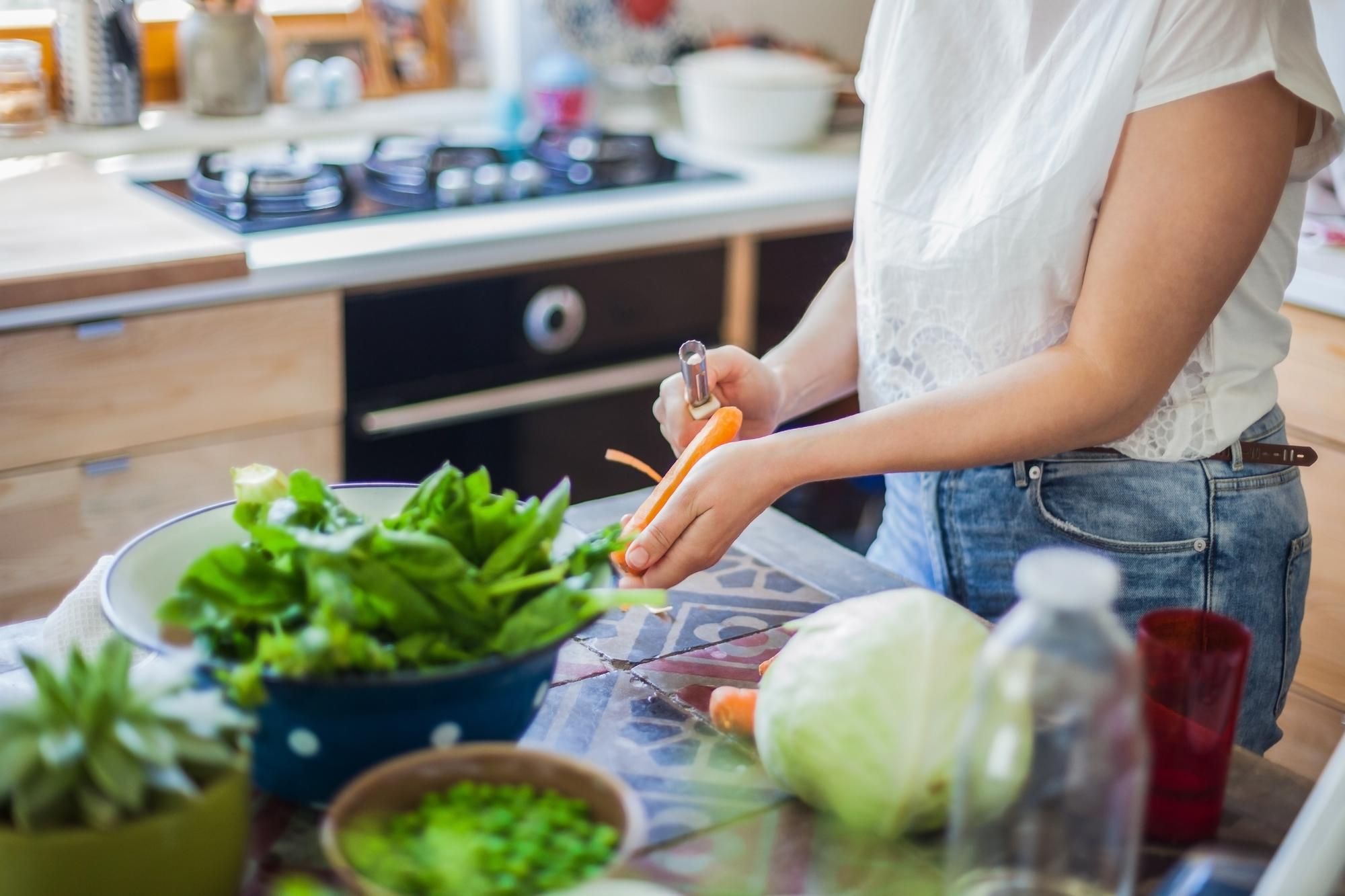
Cooking for one is often misunderstood. Many think it’s lonely, inconvenient, or a waste of time. But reframed, it becomes something much more powerful: an act of self-care and nourishment. When you cook for yourself, you are saying, “My health and well-being matter.”
Living alone or with a busy schedule doesn’t mean resorting to takeout or skipping meals. With smart strategies, you can eat healthy, save money, and even enjoy the process.
7 Practical Tips for Cooking Healthy Meals for One
1. Batch cook the basics
Prepare grains (like quinoa or brown rice), legumes, or proteins in bulk. Store them in the fridge and remix into different meals throughout the week—think rice bowls, stir-fries, or hearty salads.
2. Freeze in single portions
Soups, sauces, or casseroles can be frozen in individual containers. On a busy day, you’ll thank yourself for having a healthy meal ready in minutes.
3. Scale recipes down (without losing variety)
Most family recipes can be halved or adapted. Keep measuring cups and small pans handy so you don’t feel overwhelmed with large quantities.
4. Shop with purpose
Buy smaller amounts of fresh produce or opt for frozen, which has equal nutritional value and reduces waste. A shopping list saves money and prevents impulse buys.
5. Turn leftovers into new meals
A roasted chicken breast today becomes tomorrow’s wrap, or a chickpea curry today becomes a grain bowl tomorrow. Reinvention keeps meals exciting.
6. Make it social
Cooking for one doesn’t mean eating alone. Organize a virtual cook-along with friends or invite someone over and double the recipe. Food connects us, even in small kitchens.
7. Celebrate cooking as self-care
Cooking for yourself is not about “just getting by.” It’s about nourishing your body with intention. Light a candle, play music—make the process enjoyable.
Why It Matters
Research shows that people who cook at home eat healthier, consume less sodium and sugar, and feel more in control of their nutrition. Cooking for one can also reduce food waste and save money compared to constant takeout. Most importantly, it fosters independence and self-respect.
FAQ
How do I adapt family-sized recipes?
Divide ingredients by two or four, and freeze what’s left. Invest in storage containers and smaller cookware.
What if I struggle with motivation?
Start simple. Remember: cooking for one is an act of love for yourself. Even a 10-minute meal with fresh ingredients is healthier than skipping dinner.
Final Thought
Cooking for one isn’t about limitation—it’s about empowerment. With a little planning and creativity, you can create meals that nourish, energize, and make you proud of the care you give yourself.