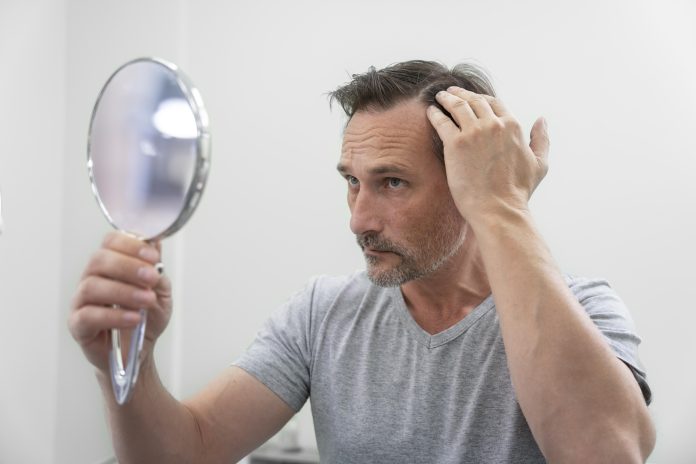
Male hair loss has long been one of the most common and emotionally challenging issues men face as they age. By the age of fifty, more than half of men experience some degree of androgenetic alopecia. For decades, treatments were limited and progress was slow, leaving many men frustrated with ineffective products or temporary solutions. But by 2025, scientific advancements in dermatology, regenerative medicine and biotechnology have transformed the landscape of hair restoration. New therapies are emerging that not only slow balding but actively stimulate regrowth and improve follicle longevity. Understanding these developments helps men make informed decisions about solutions that genuinely work.
The biology behind modern treatment breakthroughs
The science of hair loss revolves around androgen sensitivity, microinflammation and follicular miniaturization. In androgenetic alopecia, hair follicles shrink due to sensitivity to dihydrotestosterone, a hormone derived from testosterone. This process reduces the growth phase of the hair cycle and eventually leads to thinning and bald patches. Modern treatments focus on interrupting this process, protecting the follicle and stimulating new growth. Advances in molecular biology have also revealed that inflammation, stem cell depletion and reduced blood flow play major roles. The treatments of 2025 target these mechanisms simultaneously, creating a more comprehensive approach than ever before.
Improved topical treatments with higher precision
Topical therapies have evolved significantly. Traditionally, minoxidil was the main option, but many men experienced limited benefits due to poor absorption or inconsistent use. In 2025, new formulations include enhanced bioavailability compounds and carrier molecules that penetrate deeper into the scalp. These improved formulas deliver active ingredients directly to hair follicle stem cells, increasing both growth speed and thickness. Researchers have also refined topical antiandrogens that reduce follicle sensitivity to hormones without systemic side effects. This targeted approach makes modern topical therapies far more reliable than their older counterparts.
Low-dose oral treatments that reduce side effects
Oral medications have historically been effective but often carried the burden of unwanted side effects. By 2025, dermatologists now prescribe optimized low-dose regimens that balance efficacy and safety. Low-dose oral minoxidil is one of the most promising developments. It stimulates hair growth throughout the scalp, including areas where topical solutions were less effective. The key is controlled dosing, which minimizes risks while enhancing hair density. Newer forms of oral antiandrogens, designed with shorter half-lives and improved receptor selectivity, provide additional therapeutic benefits without causing hormonal imbalance. These medications give men more reliable results with far fewer concerns.
Platelet-rich plasma therapy that delivers stronger results
Platelet-rich plasma, commonly known as PRP, has undergone major refinements in both technique and scientific understanding. Earlier versions of PRP treatments varied widely in quality. In 2025, standardized protocols ensure higher concentrations of growth factors, resulting in more consistent outcomes. The therapy works by injecting the patient’s own highly concentrated platelets into the scalp, releasing growth factors that repair follicular damage and stimulate new hair production. Research now supports its ability to increase thickness, improve density and prolong the active growth phase. PRP has become one of the safest and most natural ways to revive weakened follicles.
Stem cell-based regenerative treatments
Regenerative medicine has opened an entirely new chapter in hair restoration. Stem cell therapies use the body’s own regenerative capabilities to revive dormant follicles and promote sustained growth. One of the most significant advancements is the use of autologous micrografts derived from the patient’s tissue. These micrografts contain follicular stem cells that help rebuild miniaturized follicles. Another emerging technique uses extracellular vesicles, tiny biological messengers extracted from stem cells, to stimulate hair regeneration without the complexities of harvesting full stem cells. These treatments are minimally invasive and show strong potential to reverse hair thinning at earlier stages.
Exosome therapy as a powerful growth stimulator
Exosome therapy is one of the most talked-about innovations in hair restoration for 2025. Exosomes are microscopic vesicles that carry genetic and molecular signals used by cells to communicate. When applied to the scalp, exosomes activate pathways that encourage follicle regeneration, reduce inflammation and enhance blood flow. Early clinical results show promising increases in density and hair diameter. The therapy is still being refined, but the scientific basis behind exosomes makes them one of the most exciting developments for future hair growth technology.
Laser and LED technologies that improve follicle health
Laser therapy has improved tremendously in recent years. In 2025, low-level laser devices and LED photobiomodulation systems are more powerful, better calibrated and easier to use. These devices work by increasing cellular energy production, enhancing microcirculation and reducing inflammation around follicles. Home devices have become more reliable, offering clinical-level wavelengths that deliver measurable improvements in hair thickness. Laser therapy is often used alongside medical treatments, helping to boost results and maintain progress long term.
Nutritional therapies that support hair biology
Nutrition is a fundamental pillar of hair health, and modern research highlights specific nutrients that directly impact follicle strength and function. Deficiencies in zinc, iron, vitamin D and essential fatty acids are common in men experiencing hair thinning. In 2025, personalized supplementation plans based on blood work help restore balance and support follicular metabolism. Advanced supplements now include peptides, antioxidants and amino acids that target inflammatory pathways and promote keratin formation. While supplements alone cannot reverse genetic hair loss, they play a supportive role that enhances the effectiveness of medical treatments.
Microbiome-focused treatments for scalp health
The scalp microbiome has become a major focus of hair loss research. Just like the gut, the skin hosts a community of microorganisms that influence inflammation and overall health. Imbalances in the scalp microbiome are associated with irritation, dandruff and hair thinning. New probiotic-based shampoos, serums and treatments work by restoring microbial balance and reducing microinflammation. These products improve the scalp environment, making it more supportive of hair growth. This is an area of rapid expansion, with scientists increasingly viewing the microbiome as an essential factor in hair preservation.
Hair transplant advancements with unmatched natural results
Hair transplantation has undergone extraordinary evolution. The newest generation of follicular unit extraction tools allows for ultra-precise harvesting, minimizing damage and improving graft survival. Surgeons now use advanced imaging systems to map optimal follicle distribution and density, creating highly natural hairlines that match a patient’s unique facial structure. Robotic-assisted extraction has become more refined, increasing accuracy and reducing downtime. Combined with regenerative therapies such as PRP or stem cell boosters, today’s transplants deliver results that are far superior to those of previous decades.
Combination therapy as the new gold standard
The most effective approach to treating male hair loss in 2025 is combination therapy. Instead of relying on a single solution, dermatologists create personalized plans that address multiple underlying mechanisms simultaneously. A man may use low-dose oral medication for hormonal balance, PRP for follicular regeneration, laser therapy for improved circulation and a microbiome-supportive shampoo for scalp health. This multi-layered strategy delivers faster results and sustains long-term success. Combination therapy also allows for lower doses of individual treatments, reducing the likelihood of side effects.
Psychological benefits and improved confidence
Hair loss can affect self-esteem, relationships and mental well-being. Modern treatments provide not only physical improvements but psychological benefits as well. When men regain control over their appearance, they often report increased confidence, reduced stress and better social interaction. The emotional impact of effective treatment is an important part of the overall therapeutic picture. The advancements of 2025 empower men to address hair loss proactively, improving both external appearance and internal well-being.
Looking Ahead: The future of hair restoration
The next decade promises even greater breakthroughs. Researchers are exploring gene-editing technologies, advanced stem cell engineering and molecular therapies that may one day fully reverse androgenetic alopecia. While these innovations are still in development, the progress seen in recent years suggests that hair biology is entering a period of rapid transformation. The treatments available today already offer highly effective solutions, and the future may bring complete restoration options.
Male hair loss no longer needs to be accepted as an unavoidable part of aging. In 2025, men have access to scientifically proven treatments that protect follicles, stimulate growth and improve long-term scalp health. From modern topical solutions and low-dose oral medications to regenerative therapies like PRP, exosomes and stem cell treatments, the options have never been more advanced. Combination therapy offers the strongest results, supported by technological and nutritional strategies that enhance outcomes. The new era of hair restoration empowers men to regain control, rebuild confidence and enjoy healthier, fuller hair with solutions that truly work.