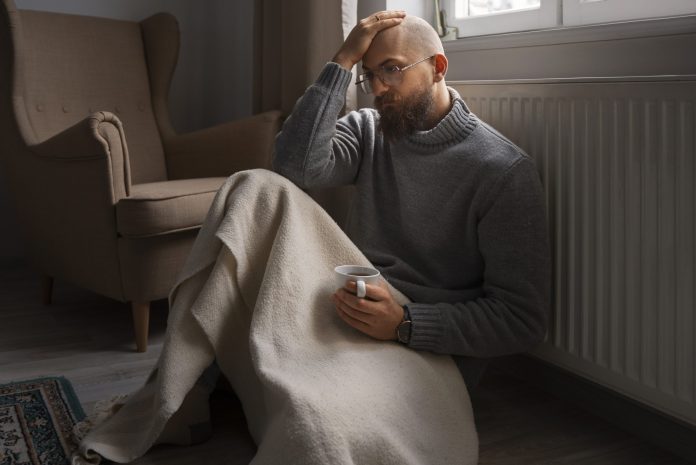
In today’s world, men are often expected to embody strength, stability and emotional control. From a young age, many grow up with the unspoken rule that men “must not break,” “must not show vulnerability,” and “should handle everything alone.” These expectations push many men to hide their anxiety, suppress their struggles and maintain a calm exterior. The result is a rising but invisible crisis in male mental health, affecting sleep, energy, performance and overall well-being.
Why men find it difficult to talk about anxiety
Social expectations play a major role in why men remain silent about their stress. The stereotype of the strong, unshakable man creates an internal pressure to appear in control at all times. Many fear they will be judged as weak or incapable if they share their emotional burdens. Others believe they must stay composed for the sake of their family or work responsibilities. This silence, however, often leads to prolonged tension and emotional exhaustion that slowly undermines their mental and physical health.
The Biochemistry of male anxiety
Male anxiety is not only psychological—it’s deeply interconnected with hormones. When stress rises, cortisol levels remain elevated, affecting energy, sleep, concentration and mood. Long-term cortisol imbalance can also impact testosterone, an essential hormone for vitality and emotional stability. When testosterone drops, fatigue increases, irritability becomes more frequent and motivation can fade. These changes create a cycle where anxiety feeds hormonal imbalance, and hormonal imbalance feeds anxiety.
How anxiety manifests in men
Unlike the common assumption, men rarely express anxiety through tears or emotional conversations. Instead, it often shows up as irritability, frustration, withdrawal or difficulty focusing. It may also present as constant tiredness, insomnia, low mood or a sudden lack of drive. These symptoms are so normalized that many men do not recognize them as indicators of stress but attribute them to overwork or physical exhaustion. This makes male anxiety particularly difficult to detect.
The role of modern life in male stress
Daily responsibilities accumulate rapidly: work demands, financial pressure, family obligations, lack of rest, and the overload of digital stimulation. Men often feel they must successfully manage every role—provider, partner, professional—without room for vulnerability. This nonstop pressure leads to chronic stress, especially when unexpressed. Over time, this emotional weight affects both mind and body, making everyday life increasingly demanding.
Social conditioning and emotional suppression
The belief that men must be strong at all times shapes how they process emotions. Many have learned to suppress fear, insecurity and emotional discomfort because they are seen as “unmanly.” This leads to a pattern where men carry their stress internally, avoiding emotional expression even when they need support. The suppressed tension can cause emotional detachment, difficulty connecting with others and overwhelming mental fatigue.
The impact of anxiety on performance
Anxiety affects far more than mood. It influences work performance, decision-making, communication and daily functioning. A man experiencing hidden anxiety may struggle to concentrate, manage responsibilities or maintain motivation. The constant effort to appear composed while battling internal stress produces significant mental strain. Over time, this may lead to burnout, emotional exhaustion and declining physical health.
Recognizing the signs of male anxiety
Awareness is the first step toward change. A man may begin to notice something is wrong when he feels consistently drained, struggles to sleep, becomes easily irritated or finds it difficult to stay focused. Physical symptoms such as tightness in the chest, stomach discomfort, muscle tension or constant fatigue can also be signs of anxiety. These indicators should never be ignored, as they reveal how deeply stress affects the whole body.
Healthy ways to manage and release stress
Managing anxiety is not a sign of weakness—it is an essential part of self-care. Creating small daily habits, such as short breaks for calm, physical activity or time away from screens, can significantly reduce stress levels. Improving sleep routines, exercising regularly and eating in a way that supports hormonal balance help regulate cortisol and increase emotional stability. Talking to a mental health professional can also provide clarity, tools and long-term relief.
The strength in speaking up
Expressing anxiety does not diminish a man’s strength—it expands it. Acknowledging and discussing stress builds emotional resilience and improves mental well-being. Sharing concerns with someone trustworthy reduces the weight of silence and helps restore balance. Being open about anxiety allows men to reconnect with themselves and the people around them.
Returning to inner balance
Male anxiety may be silent, but it doesn’t have to remain unseen. Understanding its roots, recognizing its signs and adopting healthier habits can create a calmer, steadier and more fulfilling life. Men’s mental health deserves attention, respect and care. Every step taken toward acknowledging anxiety is a step toward becoming a stronger, more aware and emotionally balanced version of oneself.