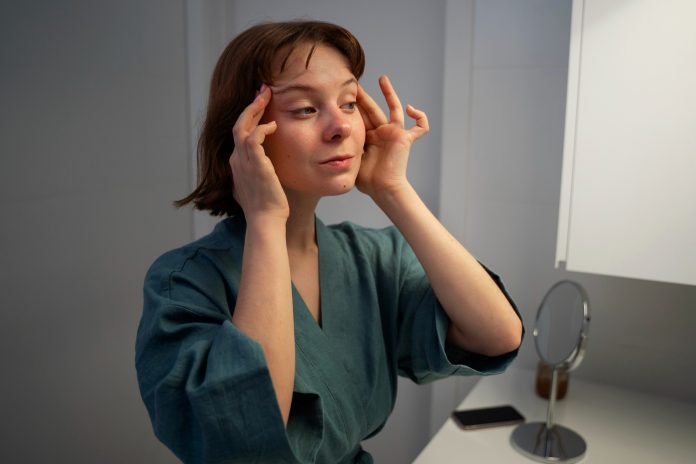
When we talk about youthful skin, glowing complexion, and slowing down the visible signs of aging, most conversations revolve around skincare products, serums, treatments, and nutrition. While these elements certainly play an important role, there is one fundamental factor that often goes unnoticed: sleep. Not just the number of hours we spend in bed, but the quality and structure of our sleep can significantly influence how our skin looks, feels, and ages over time.
Sleep is not simply a passive state of rest. It is a highly active biological process during which the body repairs itself, balances hormones, and restores cellular function. The skin, being the body’s largest organ, is deeply affected by what happens during these nighttime hours. In fact, many of the processes responsible for skin regeneration, hydration, and collagen synthesis are most active while we sleep.
The idea of “beauty sleep” is not a marketing myth. Scientific research increasingly confirms that proper sleep cycles are essential for maintaining skin elasticity, firmness, and luminosity. When sleep is disrupted or insufficient, the skin often becomes one of the first areas to show signs of imbalance—fine lines, dullness, uneven tone, and loss of resilience. Understanding how sleep cycles work and how they interact with skin biology can be a powerful step toward healthier, more youthful-looking skin.
Understanding sleep cycles and their role in skin health
Sleep is composed of repeating cycles that last approximately ninety minutes each. Throughout the night, the body moves through different sleep stages, including light sleep, deep sleep, and REM sleep. Each stage serves a unique purpose for physical and mental restoration, but not all stages impact the skin in the same way.
Deep sleep is particularly important for skin health. During this stage, the body shifts into repair mode. Blood flow to the skin increases, cellular turnover accelerates, and tissue damage accumulated during the day begins to heal. This is also when the body releases growth hormones that support skin regeneration and collagen production.
REM sleep, while more closely associated with brain function and emotional processing, contributes indirectly by supporting hormonal balance and stress regulation. When sleep cycles are complete and uninterrupted, the skin benefits from a well-coordinated internal repair system. However, when sleep is fragmented or shortened, these processes may not fully occur, leaving the skin vulnerable to premature aging.
The critical role of collagen in youthful skin
Collagen is the structural protein that gives skin its firmness, elasticity, and strength. It acts as a scaffold that keeps skin smooth and resilient. As we age, natural collagen production gradually declines, leading to wrinkles, sagging, and thinner skin. Environmental stressors such as UV radiation, pollution, and chronic stress can further accelerate this process.
Sleep plays a crucial role in regulating collagen synthesis. During deep sleep, the body releases human growth hormone, which stimulates fibroblasts—the cells responsible for producing collagen and elastin. Without sufficient deep sleep, this regenerative signal weakens, and collagen breakdown may outpace production.
Inadequate sleep also increases levels of cortisol, the body’s primary stress hormone. Elevated cortisol has been shown to degrade collagen and impair the skin’s barrier function. Over time, this hormonal imbalance can contribute to visible signs of aging, including fine lines, reduced elasticity, and slower healing.
How quality sleep enhances skin repair and renewal
While you sleep, your skin enters a state of active renewal. Cellular turnover increases, allowing damaged skin cells to be replaced with new, healthy ones. This process is essential for maintaining a smooth texture and even skin tone.
Increased blood circulation during sleep delivers oxygen and nutrients to skin cells more efficiently. This enhanced circulation helps give the skin its characteristic morning glow and supports long-term skin vitality. At the same time, the skin’s barrier function strengthens, improving moisture retention and protection against external irritants.
Melatonin, a hormone released in response to darkness, also plays a role in skin health. Beyond regulating sleep, melatonin acts as a powerful antioxidant, helping to neutralize free radicals that contribute to skin aging. Consistent, high-quality sleep supports optimal melatonin production, reinforcing the skin’s natural defense mechanisms.
The visible effects of sleep deprivation on the skin
When sleep is insufficient or disrupted, the skin often reflects this imbalance quickly and clearly. One of the most common signs is dullness. Reduced blood flow and slower cell turnover can make the skin appear tired and lifeless.
Dark circles and puffiness around the eyes are also closely linked to poor sleep. Fluid retention and impaired circulation can cause swelling, while thinning skin makes underlying blood vessels more visible. Over time, repeated sleep deprivation can deepen these effects, making them harder to reverse.
Chronic lack of sleep is also associated with increased inflammation. Inflammatory processes can worsen conditions such as acne, eczema, and psoriasis. Additionally, impaired skin barrier function may lead to increased sensitivity, dryness, and irritation.
Sleep cycles, hormonal balance, and skin aging
The relationship between sleep and skin aging is closely tied to hormonal regulation. During healthy sleep cycles, the body maintains a balance between regenerative and stress-related hormones. Growth hormone supports tissue repair and collagen synthesis, while cortisol remains at lower levels.
When sleep cycles are disrupted, cortisol levels may remain elevated throughout the night. This not only interferes with collagen production but also promotes inflammation and oxidative stress. Over time, these effects contribute to faster skin aging and reduced resilience.
Insulin sensitivity and metabolic balance are also influenced by sleep quality. Poor sleep has been linked to insulin resistance, which may affect skin health by impairing nutrient delivery and increasing glycation—a process that stiffens collagen fibers and accelerates aging.
The importance of consistent sleep patterns
Consistency is just as important as duration when it comes to sleep. Going to bed and waking up at irregular times can disrupt the body’s circadian rhythm, which acts as an internal clock regulating hormonal release and cellular activity.
The skin follows its own circadian rhythm, with peak repair and regeneration occurring at night. Irregular sleep schedules can confuse this rhythm, reducing the efficiency of nighttime repair processes. Over time, this misalignment may lead to cumulative skin damage and premature aging.
Establishing a regular sleep routine helps synchronize the skin’s repair cycle with the body’s natural rhythms, maximizing the benefits of each sleep stage.
Supporting skin health through better sleep hygiene
Improving sleep quality does not require drastic changes. Small, consistent habits can make a significant difference. Creating a calm, dark, and cool sleeping environment supports deeper and more restorative sleep cycles.
Limiting exposure to blue light from screens in the evening helps preserve natural melatonin production. Reducing caffeine and heavy meals before bedtime can also prevent sleep disruptions that interfere with deep sleep stages.
A relaxing nighttime routine—such as gentle stretching, reading, or mindful breathing—can signal to the body that it is time to rest. When combined with proper skincare, these habits enhance the skin’s ability to regenerate overnight.
Nighttime skincare and sleep synergy
Sleep and skincare work best when they support each other. Applying nourishing products before bed allows active ingredients to work in harmony with the skin’s natural repair processes. During sleep, the skin’s permeability increases, improving absorption of beneficial compounds.
Hydration is particularly important at night, as transepidermal water loss increases during sleep. Well-formulated night creams or serums can help maintain moisture balance and reinforce the skin barrier.
However, even the most advanced skincare products cannot fully compensate for chronic sleep deprivation. True skin renewal begins from within, and sleep remains one of the most effective and accessible anti-aging tools available.
Long-term benefits of prioritizing sleep for anti-aging
Over time, consistent, high-quality sleep can have profound effects on skin appearance and health. Improved collagen production leads to firmer, more elastic skin. Reduced inflammation promotes a calmer, more even complexion.
Better sleep also enhances the skin’s ability to recover from environmental stressors such as UV exposure and pollution. This resilience helps slow the visible aging process and preserves skin vitality well into later years.
Importantly, prioritizing sleep supports overall health—not just appearance. Improved immune function, hormonal balance, and mental well-being all contribute indirectly to healthier skin.
Sleep as the foundation of youthful skin
In the pursuit of anti-aging and radiant skin, sleep is often underestimated. Yet it is during sleep that the body performs its most critical restorative work. Proper sleep cycles allow the skin to repair damage, produce collagen, regulate inflammation, and maintain its protective barrier.
When sleep is neglected, the effects extend far beyond fatigue. The skin becomes more vulnerable to aging, stress, and environmental damage. On the other hand, when sleep is prioritized, it acts as a natural, powerful anti-aging treatment—working quietly and effectively every night.
By understanding and respecting the connection between sleep cycles and skin health, we can support our skin from the inside out. In many ways, the path to healthier, more youthful skin begins not in a bottle, but in the quality of our rest.