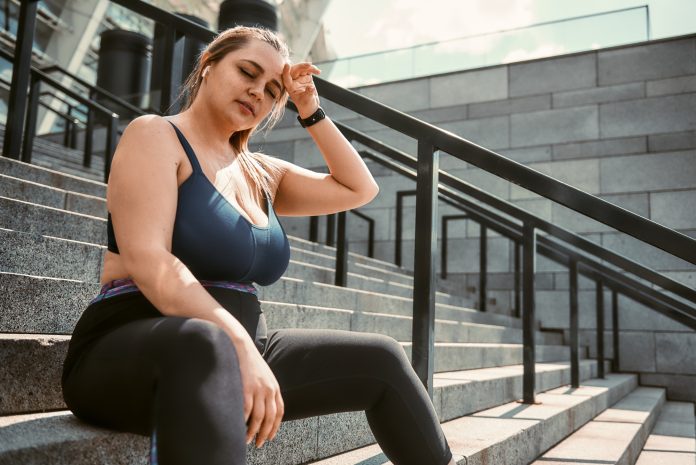
Sweating is commonly associated with intense exercise and calorie burning. Many people assume that producing more sweat automatically means the body is losing more fat during physical activity. However, sweating and fat loss are controlled by very different biological processes.
Although sweating can temporarily reduce body weight through water loss, it does not directly reflect how much fat the body is burning. Understanding how sweating works helps explain why perspiration is not a reliable measure of fat loss.
Why the body produces sweat
Sweating is primarily a cooling mechanism. The body releases sweat through sweat glands to help regulate internal temperature during heat exposure or physical activity.
As sweat evaporates from the skin, heat leaves the body and helps prevent overheating. This process is essential for temperature control and overall survival.
The amount someone sweats depends heavily on heat regulation rather than fat burning itself.
The difference between water loss and fat loss
Sweat consists mostly of water along with small amounts of electrolytes such as sodium and potassium. When people sweat heavily, body weight may temporarily decrease because fluid is being lost.
Fat loss occurs differently. The body reduces fat stores when it consistently uses more energy than it consumes over time.
Losing water weight through sweating does not mean body fat has significantly decreased.
Why some people sweat more naturally
Sweat production varies greatly between individuals. Genetics, body size, fitness level, hormones, and environmental temperature all influence how much someone sweats.
Some people naturally produce large amounts of sweat even during moderate activity. Others may sweat less despite burning similar numbers of calories.
Heavy sweating therefore does not automatically indicate greater exercise intensity or fat loss.
Exercise intensity and calorie burning
Higher intensity exercise can increase both calorie expenditure and sweating, but the two are not directly linked. Heat production during exercise often drives sweating independently from fat metabolism.
For example, exercising in hot weather may produce extreme sweating even if calorie burn remains moderate. Meanwhile, strength training in cooler environments may burn substantial calories with less visible sweat.
Sweat alone cannot accurately measure exercise effectiveness.
Why sauna weight loss is temporary
Saunas, sweat suits, and heated environments may create rapid short term weight changes through fluid loss. Athletes sometimes use these methods before competitions to temporarily reduce body weight.
However, the lost weight usually returns after normal hydration resumes. Fat tissue itself remains largely unchanged after temporary dehydration.
This is why sweating based weight loss is usually short lived.
The role of fitness adaptation
People who exercise regularly often begin sweating earlier and more efficiently during activity. This is a normal adaptation that helps improve temperature regulation.
Increased sweating in trained individuals does not necessarily mean they are burning more fat than beginners. It mainly reflects improved cooling efficiency.
The body becomes better at protecting itself from overheating.
Humidity and environmental effects
Environmental conditions strongly affect sweating patterns. Hot and humid weather can dramatically increase perspiration even during light physical effort.
In humid environments, sweat evaporates less efficiently, causing more visible moisture on the skin. This can create the impression of extreme calorie burning despite limited fat loss.
External temperature therefore heavily influences sweat production.
Why body weight changes quickly after sweating
After intense sweating, the scale may show immediate weight reduction. This often creates the impression that significant fat loss has occurred.
In reality, most rapid weight changes after exercise come from fluid depletion. Once water and electrolytes are replaced, body weight usually returns closer to previous levels.
True fat loss develops gradually over longer periods of time.
How fat is actually lost
Fat loss occurs when stored fat molecules are broken down and used for energy. This process depends on long term energy balance, physical activity, metabolism, and nutrition.
The body primarily eliminates fat through metabolic processes involving breathing and energy use rather than sweating itself.
Sweating may occur during fat burning, but it is not the mechanism responsible for reducing fat stores.
Why sweating can feel psychologically rewarding
Heavy sweating often creates a strong sensation of effort and physical exertion. Many people therefore associate sweat with productivity and successful workouts.
Visible sweat can provide psychological satisfaction even though it does not directly measure fat loss. This belief is reinforced by temporary scale changes after exercise.
Perception of workout effectiveness is not always biologically accurate.
A broader understanding of sweating and fat loss
Sweating reflects the body’s attempt to regulate temperature rather than directly measure calorie burn or fat reduction. Water loss and fat loss are separate physiological processes.
Although intense exercise may increase both sweating and energy expenditure, sweat itself does not determine how much fat the body loses. Many factors influence fat metabolism beyond perspiration alone.
Understanding this distinction helps create more realistic expectations about exercise, body weight, and long term fat loss.