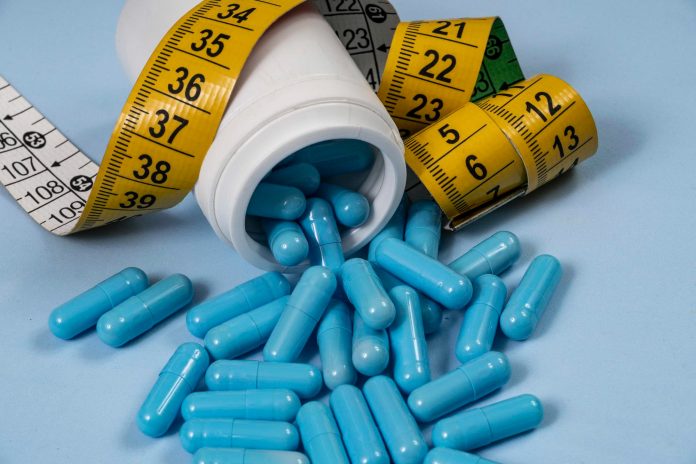
The global conversation around weight loss has changed dramatically. What used to be a market full of stimulants and short-term “diet pills” has evolved into a scientifically grounded field, driven by high-precision drugs targeting hormonal pathways. Today, pharmaceutical companies are in one of the most intense races of the decade: the race for next-generation obesity treatments.
A new class of weight-loss pills
Unlike older weight-loss drugs, the new compounds focus on metabolic hormones such as:
- GLP-1, which regulates satiety, appetite and glucose response,
- GIP and dual agonists, offering stronger and more stable weight-loss outcomes,
- Next-gen oral formulations, replacing weekly injections.
Early data show that these compounds may support substantial weight reduction while improving blood sugar, inflammation markers and metabolic stability.
Why demand is rising so fast
Obesity affects more people globally than ever before. Demand is growing because:
- traditional dieting often leads to regain,
- lifestyle stressors make weight management harder,
- obesity is now recognised as a chronic metabolic condition,
- people want evidence-based, medically supervised solutions.
These new drugs are not magic—but they are tools backed by strong data.
A massive pharma race
Major pharmaceutical companies are investing billions into developing:
- more potent molecules,
- improved tolerability,
- oral versions with fewer side effects,
- personalised protocols for long-term metabolic support.
Industry projections estimate that the obesity-treatment market may exceed $100 billion in the coming years.
What consumers must know
Despite the excitement, medical guidance remains essential:
- Not everyone is a candidate.
- Discontinuation often leads to weight regain.
- Lifestyle still matters.
- Side effects exist, even if milder than previous drug generations.
These treatments require medical supervision and a holistic approach.
Conclusion
The new wave of weight-loss pills marks a shift in how obesity is treated: not as a matter of willpower, but as a complex metabolic condition. As science evolves, informed decision-making becomes more important than ever.