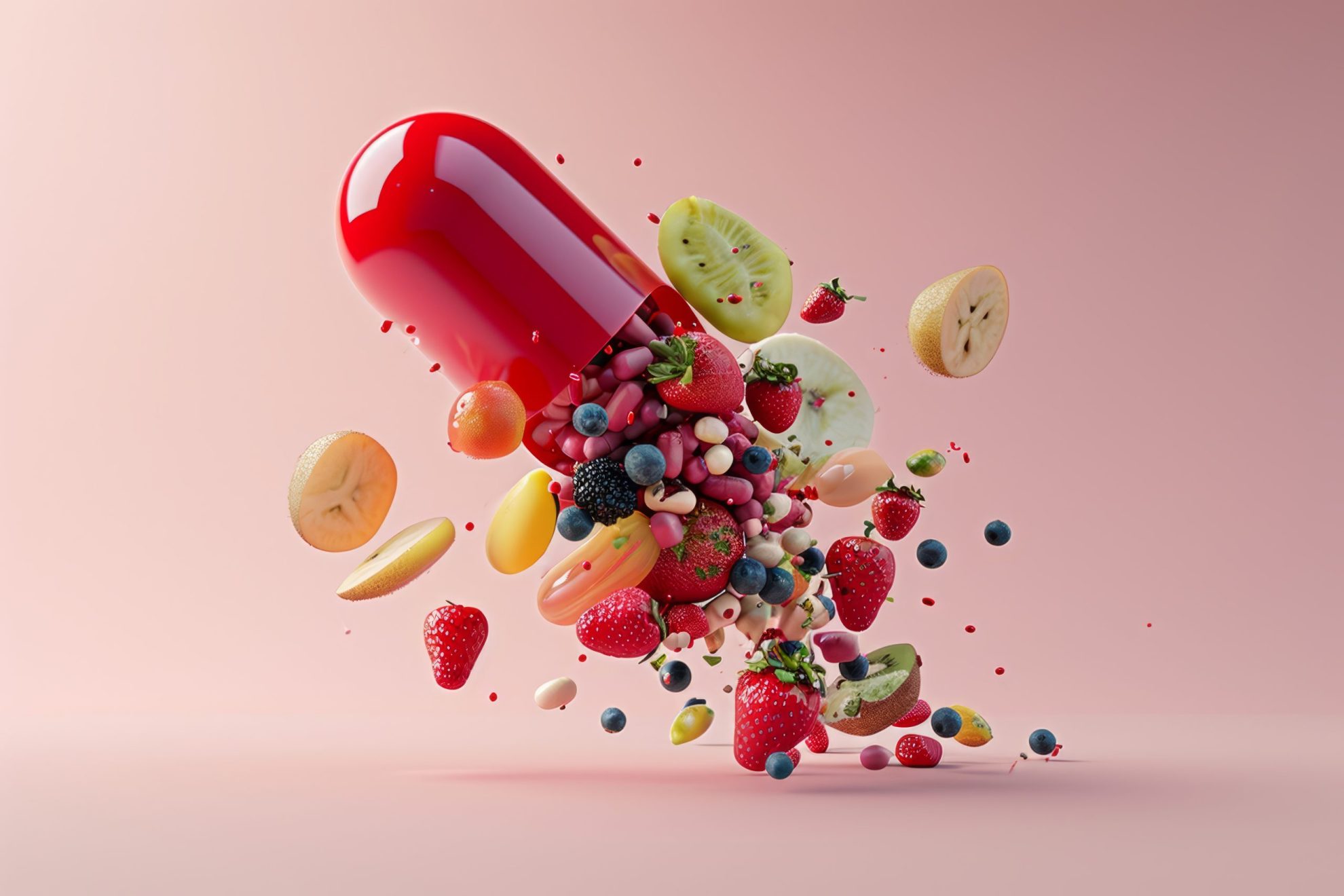
Many of us assume that taking a vitamin is enough for our body to reap its benefits. But the reality is a bit more complex: how well our body absorbs vitamins is crucial for actually using these valuable nutrients.
What affects vitamin absorption?
✅ Vitamin type: Water-soluble vitamins (like C and B complex) and fat-soluble vitamins (A, D, E, K) need different conditions. Fat-soluble vitamins require the presence of healthy fats in a meal to be properly absorbed.
✅ Gut health: A balanced gut microbiome plays a big role in absorption, while issues like irritable bowel syndrome (IBS) can limit nutrient uptake.
✅ Food combinations: Vitamin C boosts iron absorption, while excess calcium may hinder magnesium absorption.
✅ Age and medication: As we age, absorption efficiency naturally declines. Certain medications (like antacids or corticosteroids) can also reduce bioavailability.
How to boost bioavailability
1️⃣ Pair fat-soluble vitamins with healthy fats (e.g. olive oil, avocado).
2️⃣ Choose supplements that provide active, bioavailable forms of vitamins and minerals.
3️⃣ Build balanced meals to allow nutrients to work together effectively.
4️⃣ Stay hydrated — water helps break down and transport vitamins where they’re needed.
A smart solution for better absorption
If you’re looking for a supplement that’s designed to support better absorption, consider formulations that combine key nutrients in bioavailable forms. For example, supplements that pair magnesium and vitamin D3 can help ensure your body actually uses what you’re giving it.
👉 Focus on smart nutrition choices and quality supplements to truly feel the difference in your daily vitality.