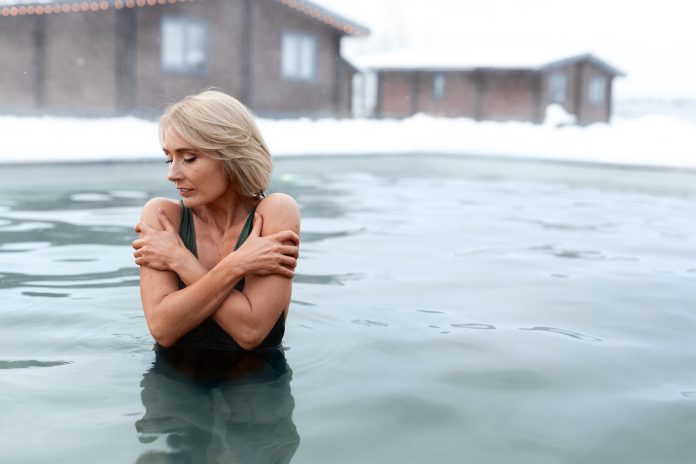
The first reaction can be almost immediate: a sharp gasp, rapid breathing, an intense sensation of cold and a strong urge to get out. This is more than simple discomfort. Sudden exposure to very cold water triggers a series of automatic physiological responses.
This is known as the cold shock response. It can affect breathing, heart function and blood pressure, particularly when exposure to cold is sudden.
The first reaction may be a sudden gasp
When the skin comes into sudden contact with very cold water, temperature-sensitive receptors send signals to the nervous system. The body responds by activating mechanisms designed to deal with the sudden thermal stress.
One of the most noticeable responses is an involuntary gasp, often followed by rapid and deeper breathing, known as hyperventilation.
This matters especially in water because losing control of breathing can make it harder to remain calm and maintain effective breathing.
What happens to the heart and blood vessels?
Cold shock activates the sympathetic nervous system. This can increase heart rate and blood pressure while causing blood vessels in the periphery to constrict.
These responses help reduce heat loss from the body’s surface and support the maintenance of core temperature.
The intensity of the response varies between people and can be influenced by water temperature, duration of exposure and previous cold-water exposure.
The body starts working to preserve heat
As exposure continues, the body activates additional thermoregulatory mechanisms. Peripheral vasoconstriction reduces blood flow to the skin, while other processes contribute to heat production and conservation.
If exposure continues for long enough, heat loss can become substantial and the risk of hypothermia increases.
The response can become less intense with habituation
Research suggests that repeated cold exposure can reduce some aspects of the cold shock response. This does not mean that cold water becomes harmless or that everyone adapts in the same way.
Water temperature, exposure time, physical characteristics and individual differences all matter.
Sudden cold-water exposure deserves caution
Cold water should not simply be treated as a test of endurance. Sudden immersion can produce a strong respiratory and cardiovascular response.
In open water, the situation can become even more challenging because waves, currents, difficulty getting out and rapid heat loss may all add risk.
There is no need to deliberately create an intense cold-shock response simply to “activate” the body.
When should you seek medical attention?
Severe chest pain, fainting, significant difficulty breathing, confusion or persistent symptoms after leaving the water require prompt medical assessment.
People with known cardiovascular or other health conditions should seek individualized medical advice before taking part in activities involving intense cold exposure.
What to remember
Sudden immersion in very cold water is more than an uncomfortable sensation. The nervous and cardiovascular systems respond rapidly, breathing changes and the body works to limit heat loss.
The response is a normal protective mechanism, but “normal” does not mean that it is always harmless.