For the first time, the World Health Organization has issued a global guideline focused on insulin use for adults with type 1 diabetes. The document is written for health systems and clinicians, but its central message is easy to understand: safe diabetes care depends not only on having insulin, but also on matching treatment to glucose readings, monitoring over time and keeping care available when resources or services are disrupted.
Why a global adult guideline matters
Type 1 diabetes is a lifelong condition in which the body does not produce enough insulin. People with the condition need insulin every day to survive. WHO estimates that about 9.5 million people were living with type 1 diabetes in 2025 and that another 500,000 were diagnosed during that year.
Although type 1 diabetes is often associated with childhood, adults can also be newly diagnosed, may have been misclassified as having another form of diabetes, or may be moving from paediatric to adult services. A guideline designed specifically for adults helps make those pathways clearer across very different health systems.
The core recommendations
WHO strongly recommends intensified insulin therapy using several injections each day, with doses adjusted according to blood glucose values. The guideline recognizes both human insulin and insulin analogues as options. Human insulin remains an effective choice and is generally less expensive, which matters in settings where affordability determines whether treatment is consistently available.
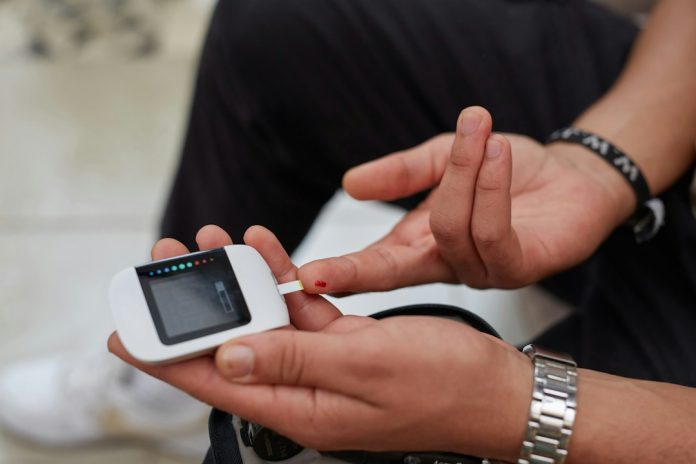
Regular glucose monitoring is another central element. In clinical care, this can include tests that reflect average glucose over recent months. At home, monitoring may involve finger-prick testing or a continuous glucose monitor. Where blood glucose testing is unavailable, WHO says urine glucose testing can be considered as a limited alternative rather than leaving people without any monitoring at all.
Equity and continuity are part of safety
The guideline is intended to work in low-resource, emergency and humanitarian settings as well as in well-equipped health systems. That makes continuity of insulin supply, storage, basic testing and trained support part of the clinical safety conversation—not administrative details.
WHO’s global target is that everyone living with type 1 diabetes should have access to affordable insulin treatment and blood glucose self-monitoring by 2030. The new guidance gives countries a common framework against which to plan services and assess gaps.
What the guideline does not mean
It is not a do-it-yourself dosing manual. Insulin type, timing and dose must be individualized with a qualified healthcare professional. Changes made without clinical guidance can cause dangerous low or high blood glucose. The guideline also does not replace local emergency plans, education on recognizing hypoglycaemia or hyperglycaemia, or specialist input when complications or diagnostic uncertainty are present.
Questions adults can take to their care team
- What glucose targets are appropriate for my circumstances?
- How should insulin be adjusted around meals, activity, illness or shift work?
- What is my backup plan if a device fails or insulin access is interrupted?
- Which monitoring method is realistic, affordable and clinically useful for me?
- How often should longer-term glucose control and injection technique be reviewed?
The value of the new WHO guideline is not that it makes type 1 diabetes simple. It establishes a practical global floor: reliable insulin, informed adjustment, appropriate monitoring and continuity of person-centred care.
Sources: WHO news release, 14 November 2026; WHO guideline on insulin use for adults with type 1 diabetes.
Image: Sweet Life / Unsplash. This article provides general health information and is not a substitute for individualized medical care.