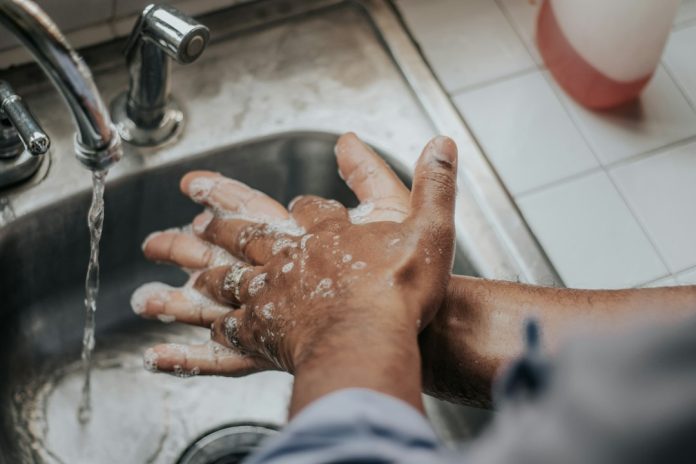
Handwashing sounds simple, yet the difference between a quick rinse and effective cleaning is mostly about sequence. Soap needs time and friction to loosen dirt and microbes, while running water carries them away. A short routine can make the process consistent without turning it into a chore.
Use five steps every time
Start by wetting your hands with clean running water, then turn off the tap if practical and apply soap. Rub your hands together until a lather forms. Scrub for at least 20 seconds, rinse under clean running water and dry with a clean towel or air dryer.
The 20 seconds are not meant for holding soapy hands still. They are working time. Move deliberately from one area to the next so the same places are not repeatedly overlooked.
A simple coverage map
- Palms and backs: rub palm to palm, then place each palm over the back of the opposite hand.
- Between fingers: interlace the fingers and work the lather through the spaces.
- Fingertips and nails: rub fingertips in the opposite palm. This is especially useful after food preparation or gardening.
- Thumbs: wrap one hand around the opposite thumb and rotate, then switch sides.
- Wrists: finish with a brief circular rub around each wrist before rinsing.
This order is not a medical ritual; it is a memory aid. The goal is complete coverage, especially of the backs of the hands, between the fingers and under the nails.
When handwashing matters most
Wash before preparing or eating food and after using the toilet, coughing, sneezing or blowing your nose. It is also sensible after handling garbage, caring for someone who is ill, touching animals or pet waste, and before and after treating a cut.
In daily life, timing matters as much as frequency. Washing at the transition between a potentially contaminated task and a clean task is more useful than washing repeatedly without a clear reason.
Soap and water first; sanitizer as the backup
When soap and water are available, they are the first choice. If they are not, an alcohol-based hand sanitizer containing at least 60% alcohol can be useful. Apply enough to cover all surfaces and rub until dry. Sanitizer is less reliable on visibly dirty or greasy hands and does not remove every type of harmful substance.
Small habits that improve results
Keep soap easy to reach, replace damp shared towels frequently and help young children turn the process into a predictable sequence. Jewellery and long nails can create extra areas to clean, so give them deliberate attention. Very hot water is unnecessary and may irritate the skin; comfortable running water is sufficient.
If frequent washing dries the skin, use a fragrance-free moisturiser after drying. Cracked skin can make regular hygiene uncomfortable, so protecting the skin barrier helps the habit remain sustainable.
Source guidance: CDC, About Hand Hygiene in Schools and Early Care and Education Settings. Photo: Mélissa Jeanty/Unsplash.