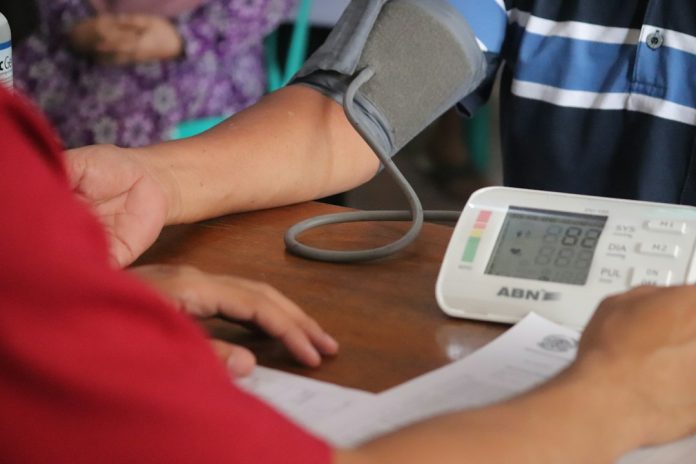
A home blood-pressure monitor can be useful, but the number on its screen is only as dependable as the conditions in which it was taken. A rushed reading after coffee, a cuff over clothing or an unsupported arm can all shift the result.
The goal is not to chase a perfect number. It is to create a repeatable routine that gives you and your health-care team a clearer pattern over time.
Start 30 minutes before the reading
Smoking, alcohol, caffeine and exercise shortly before a measurement can raise the reading. The U.S. Centers for Disease Control and Prevention advises avoiding food and drink for 30 minutes before checking blood pressure. Emptying your bladder first can also reduce avoidable variation.
If you have just climbed stairs, hurried through the house or argued on the phone, pause. Sit quietly before measuring instead of treating the first minute of rest as part of the test.
Use a supported position
Sit in a chair with your back supported for at least five minutes. Keep both feet flat on the floor and leave your legs uncrossed. Rest the arm on a table so the cuff is close to chest height.
These details can seem fussy, but they make the reading more comparable from day to day. Crossing the legs or letting the arm hang can make the value appear higher than it would in a properly supported position.
Put the cuff on bare skin
The cuff should sit snugly against the upper arm, not over a sleeve. Clothing under the cuff can affect fit and position. A cuff that is the wrong size can also distort results, so check the monitor’s instructions and ask a clinician or pharmacist if you are unsure about sizing.
Automatic upper-arm monitors are commonly used at home. Bring your device to a medical appointment occasionally so a health professional can check your technique and compare it with the clinic’s equipment.
Stay still and silent
Talking, texting or moving during the measurement adds noise. Once the cuff begins to inflate, keep the arm relaxed, remain silent and wait until the cycle finishes.
If the monitor reports an error, do not immediately repeat the measurement while adjusting the cuff in a hurry. Reset your position, wait briefly and try again according to the manufacturer’s directions.
Take two readings
The CDC recommends taking at least two readings, one or two minutes apart. Recording both provides more information than relying on a single value. Measure at roughly the same time each day if your health-care team has asked you to monitor regularly.
A simple log can include the date, time, both readings and any relevant note such as missed medication, illness or unusual stress. Do not change prescribed treatment based on an isolated home reading unless a clinician has given you specific instructions.
Look for patterns, not perfection
Blood pressure naturally varies. Home monitoring is most useful when it is paired with professional guidance and interpreted as a series, not as a daily scorecard. Share your log at appointments and ask what range, schedule and response plan are appropriate for you.
If a reading is unexpectedly high, repeat it after settling into the correct position. If you have very high readings or symptoms such as chest pain, severe shortness of breath, weakness, confusion or difficulty speaking, seek urgent medical help rather than waiting for the next scheduled check.
Source: CDC guidance on measuring blood pressure, updated September 4, 2026.
This article is educational and does not replace individual medical advice.