


Sexual function is one of the most sensitive and multifaceted indicators of overall health and quality of life for both men and women. It is not only a biological function but also a complex interplay of physical, psychological, and social factors. Despite advances in medicine and health science, a significant number of people experience dysfunctions in this area, affecting self-confidence, emotional connection with partners, and overall life satisfaction.
In this context, physical exercise—a simple, affordable, and widely accessible intervention—has been shown to be not only crucial for general health but also to have strong positive effects on sexual function. Regardless of gender, regular physical activity can impact the body in many ways, from improving blood flow to regulating hormones and enhancing mental well-being.
This article explores how and why exercise affects sexual function in both men and women, what scientific studies reveal, and which practices can enhance sexual health and satisfaction.
Exercise and cardiovascular health: A key link to sexual function
Sexual function relies heavily on healthy blood flow. A man’s ability to achieve and maintain an erection or a woman’s ability to experience sufficient genital arousal, lubrication, and sensitivity depends directly on vascular health.
Regular aerobic exercise improves cardiovascular function, boosting circulation, lowering blood pressure, reducing body fat, and decreasing insulin resistance—factors that reduce the risk of erectile dysfunction and other sexual problems. Large population studies have found that men and women who engage in moderate to high-intensity physical activity have significantly lower rates of sexual dysfunction compared to sedentary individuals, even after adjusting for age, BMI, and other risk factors.
For men, this often translates into better erectile quality and reduced erectile dysfunction risk. For women, improved circulation enhances arousal and genital sensitivity. Essentially, exercise acts as a “natural vasodilator,” supporting sexual responsiveness.
Exercise and sexual function in men: What science says
Men particularly benefit from exercise in terms of sexual function through improved blood flow, reduced inflammation, and regulation of hormones such as testosterone, which is crucial for sexual desire and erectile function.
Reducing the risk of erectile dysfunction
Research shows that regular physical activity correlates with lower rates of erectile dysfunction. Men who exercise are generally less likely to experience difficulties achieving or maintaining an erection compared to inactive men.
Improving physical fitness and endurance
Exercise enhances cardiovascular endurance and muscle strength, which can translate into better sexual performance and stamina. Beyond erectile quality, overall energy and muscular fitness improve comfort and enjoyment during sexual activity.
Hormones and genital function
Exercise also affects hormone levels. Moderate to intense exercise helps regulate testosterone production in men, supporting sexual desire and performance. However, overtraining can have the opposite effect, highlighting the need for balance.
Exercise and sexual function in women: Beyond physical fitness
For women, the relationship between exercise and sexual function is equally important but somewhat more complex, as it also involves factors such as body image, self-esteem, hormonal balance, and pelvic floor muscle function.
Increased blood flow and arousal
Like men, women benefit from enhanced genital blood flow, which improves arousal, lubrication, and sensitivity.
Improved body image and confidence
Regular exercise often enhances how women perceive their bodies. Improved fitness and achieving personal goals can boost self-esteem—deeply influencing sexual desire and satisfaction.
Pelvic floor strength and enhanced pleasure
Targeted pelvic floor exercises (e.g., Kegels) are particularly beneficial. Strong pelvic muscles can enhance sexual sensation and orgasm intensity, for both women and men recovering from surgery or age-related changes.
Exercise during menopause
During perimenopause and menopause, many women experience decreased libido, vaginal dryness, and changes in sexual function. Exercise can help mitigate these symptoms by improving circulation, mood, and overall well-being.
Which types of exercise are most beneficial for sexual function?
Not all exercises have the same impact on sexual health. Research highlights the following:
Aerobic exercise
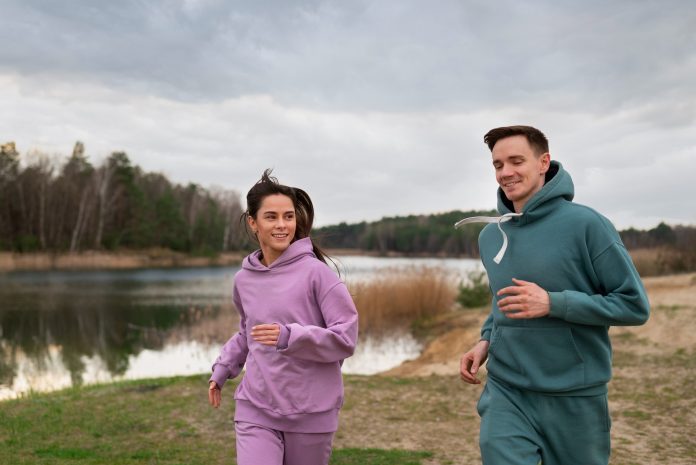
Activities like running, walking, swimming, and cycling improve cardiovascular health, a key factor for healthy sexual function in both men and women.
Strength training
Strength training boosts muscle endurance, overall fitness, and metabolic health, all of which support better sexual performance and confidence.
Pelvic floor exercises
Targeted pelvic floor training can enhance sexual sensation and function, especially in women but also in men after surgery or aging.
Flexibility and mind-body practices
Yoga and Pilates improve flexibility, reduce stress, and enhance mind-body connection—factors that can increase sexual desire and comfort.
Moderate exercise vs. overtraining: Finding the balance
Moderate to high-intensity exercise improves sexual function. However, excessive training or intense exercise without adequate recovery may have the opposite effect, reducing libido and overall energy. For example, studies show that men engaging in extremely high-intensity endurance training may experience lower sexual desire when overtraining.
The best approach is moderate exercise tailored to individual fitness levels, combined with sufficient rest and recovery periods.
Psychological and social factors
Sexuality is not just a physical function. Self-esteem, mood, stress, and relationship quality play crucial roles.
Exercise has been shown to reduce stress and improve mood, supporting sexual desire and satisfaction. Improved body image and a sense of control over physical fitness can translate into greater confidence and a positive approach to sexual life.
Exercise as an ally for sexual health
Physical exercise is one of the most powerful, natural, and scientifically supported ways to improve sexual function in both men and women. By enhancing cardiovascular health, increasing blood flow, regulating hormones, boosting self-esteem, and reducing stress, exercise acts as a holistic intervention benefiting both body and mind.
Whether through aerobic activity, strength training, or pelvic floor exercises, regular physical activity can lead to improved sexual function, increased desire, and a higher quality of life overall.
Live healthily. Exercise wisely. And watch your body respond not only to daily energy needs but also to your intimate life.














