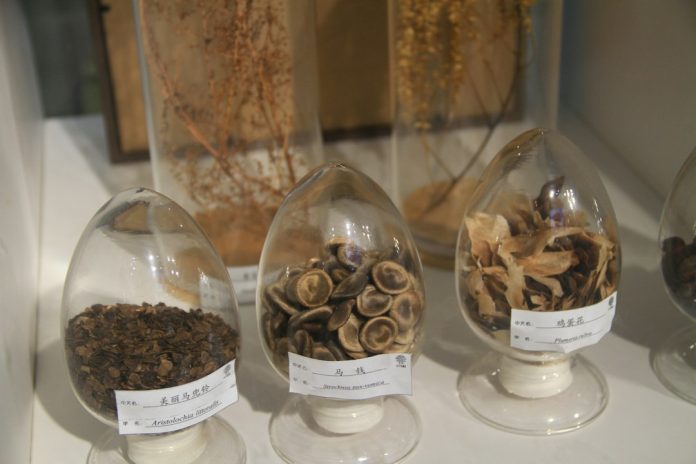
A familiar plant name on a label does not tell you whether a herbal medicine has been correctly identified, consistently prepared, tested for contaminants, or supported by appropriate evidence. That gap is why quality standards matter.
In November 2026, the World Health Organization brought together experts from all six WHO regions to advance internationally harmonized quality standards for herbal medicines. The work is intended to support quality assurance, regulatory capacity and evidence-informed use—not to imply that every traditional remedy is effective or safe for every person.
What “quality” means in practice
Herbal products can vary because plants are affected by species, growing conditions, harvest timing, storage and processing. A quality standard aims to make the material identifiable and measurable. It can specify the correct botanical source, characteristic chemical markers, acceptable ranges and tests for contamination or substitution.
This is different from proving a clinical benefit. A product may meet manufacturing and identity standards while evidence for a particular health claim remains limited. Quality, safety and effectiveness are connected, but they are not interchangeable.
Why harmonized monographs can help
WHO’s current initiative includes work on 12 monographs for priority herbal medicines. A monograph can give laboratories, manufacturers and regulators a shared technical reference. Greater consistency may help authorities identify adulterated material, compare products and set clearer expectations across markets.
The WHO meeting also discussed biodiversity, traditional knowledge and sustainable use. These issues matter because demand for a plant can affect ecosystems and communities, while traditional knowledge should not be detached from its cultural and ethical context.
What consumers should check
- Clear identity: the label should name the plant and the part used, not only a marketing blend.
- Transparent dose: quantities should be stated where applicable, rather than hidden behind vague proprietary language.
- Responsible claims: be cautious with promises to cure, prevent or “detox” without credible evidence.
- Quality controls: reputable manufacturers should be able to explain testing, traceability and applicable standards.
- Interaction risks: herbal ingredients can interact with medicines or be unsuitable in pregnancy, breastfeeding, surgery or certain health conditions.
When to seek professional advice
A doctor or pharmacist can help assess whether a product fits your medication list and health history. Do not replace prescribed treatment with a herbal product without professional guidance. Report unexpected effects promptly, and keep the product packaging so the exact formulation can be identified.
The practical takeaway
Herbal medicine quality cannot be judged by how natural an ingredient sounds. Reliable identity, contamination testing, consistent preparation, honest claims and appropriate clinical evidence all matter. International standards can strengthen the first parts of that chain, while good healthcare decisions still require individual risk assessment.
Source: World Health Organization, 19 November 2026.
Photo: Z LH / Unsplash License.