

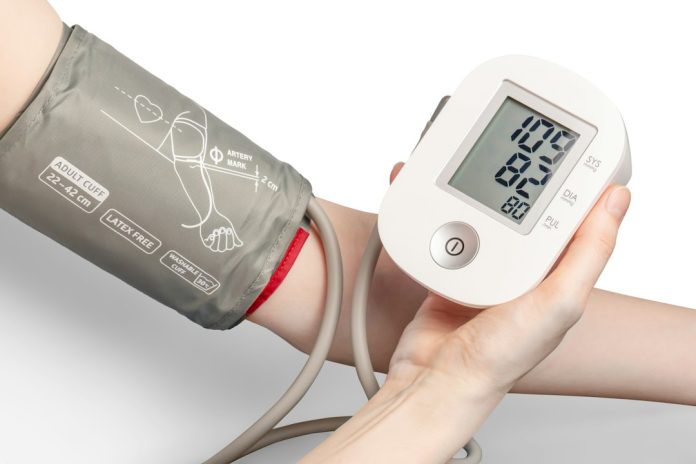
A home blood-pressure monitor can be useful, but the number on the screen is only as helpful as the conditions around the measurement. A rushed reading taken over clothing, after coffee, with the arm hanging at the side may not be comparable with a calm reading taken under a consistent setup.
The goal is not to chase a “perfect” number. It is to create a repeatable routine and share the pattern—not a single isolated reading—with a qualified healthcare professional.
1. Agree on the plan first
Ask your healthcare team whether home monitoring is appropriate for you, how often to measure, and what readings should prompt a call. Bring the monitor to an appointment if you need help checking cuff size or technique. Home readings support clinical care; they do not replace diagnosis, medication review or follow-up.
2. Keep the timing predictable
Choose times you can repeat. The CDC recommends measuring at the same time each day when regular home monitoring is part of the plan. Consistency makes the log easier to interpret because fewer variables change from one reading to the next.
3. Protect the 30 minutes before the reading
Smoking, alcohol, caffeine and exercise shortly before a measurement can affect the result. The CDC advises avoiding food and drink for 30 minutes before the reading and emptying the bladder first. If your clinician gives different instructions for your situation, follow that plan.
4. Sit quietly for five minutes
Use a supportive chair, not the edge of a bed or sofa. Sit with your back supported, both feet flat on the floor and legs uncrossed. Rest quietly for at least five minutes before starting. Talking, scrolling through stressful messages or moving around during this period works against a calm, repeatable setup.
5. Place the cuff on bare skin
Do not place the cuff over a sleeve. It should be snug, correctly sized and positioned according to the device instructions. A cuff that is too small or poorly placed can distort the measurement. If the cuff is uncomfortable or does not fit your arm, ask a pharmacist or clinician for guidance rather than improvising.
6. Support the arm at chest height
Rest the cuffed arm on a table so it is supported at about chest height. Letting the arm hang at the side can change the reading. Keep still and do not talk while the monitor is working.
7. Take two readings and log the context
The CDC advises taking at least two readings, one or two minutes apart. Record both rather than selecting the number you prefer. Add useful context such as time, medication timing if requested by your clinician, unusual stress, illness or a technique problem. The value of the log is the pattern it reveals over time.
What the log cannot tell you by itself
A home monitor does not explain why a reading is high or low, and thresholds can depend on the individual and clinical context. Do not stop or change prescribed medication based on a home reading without professional advice. If you have a reading or symptoms that concern you, follow the urgent-care instructions supplied by your healthcare team or local emergency services.
Source: U.S. Centers for Disease Control and Prevention, “Measuring Your Blood Pressure”, updated September 4, 2026. The practical checklist above is an original editorial synthesis for general information.














