

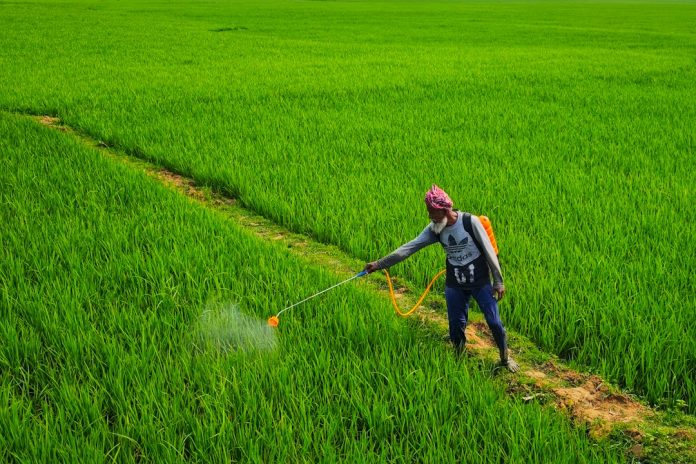
Bangladesh and India announced national bans on paraquat in September 2026, joining more than 70 countries that prohibit the acutely toxic herbicide. The World Health Organization says the decisions could prevent thousands of deaths and reduce occupational and neurological risks, particularly in agricultural communities.
Why access matters in suicide prevention
WHO estimates that ingestion of acutely toxic pesticides accounts for about one in five suicides worldwide. Many suicidal crises are brief and impulsive. When an extremely lethal substance is readily available, there may be little time for rescue or treatment. Restricting access creates distance between a moment of acute distress and a fatal method, allowing time for the crisis to pass or for another person to intervene.
Evidence cited by WHO from the Republic of Korea, Malaysia and Sri Lanka links national restrictions on paraquat and other highly hazardous pesticides with substantial reductions in pesticide-related suicides and overall suicide rates. WHO also notes that those policies did not reduce agricultural productivity in the cited settings. These are population-level observations; they do not mean that every jurisdiction will see identical results or that regulation replaces mental-health care.
Beyond acute poisoning
Paraquat can cause severe poisoning after ingestion, and WHO’s update also points to concerns about longer-term exposure. Epidemiological research has linked toxic pesticide exposure with neurological risks among agricultural workers and with neurodevelopmental concerns in children. “Linked” is the appropriate word: observational associations do not by themselves prove that a particular exposure caused an individual diagnosis.
The public-health case therefore includes several layers: preventing fatal poisonings, reducing access to a highly lethal means of suicide, improving worker protection and limiting avoidable exposure. Regulation works best alongside safer agricultural alternatives, training, protective equipment, secure storage and access to health services.
What the policy can—and cannot—do
- It can remove an exceptionally lethal product from routine circulation.
- It can reduce immediate access during a crisis.
- It can support safer working conditions.
- It cannot replace crisis support, clinical care or broader suicide-prevention policy.
- It does not prove that every neurological condition in an exposed person was caused by paraquat.
WHO and the UN Food and Agriculture Organization have published guidance for pesticide regulators on phasing out highly hazardous pesticides linked to suicide. WHO classifies such national restrictions among cost-effective mental-health interventions, but implementation still requires monitoring: authorities need to watch for substitution with other dangerous products, support farmers and verify that safer alternatives are genuinely accessible.
The bans in Bangladesh and India are significant because they move prevention upstream. Instead of waiting for poisonings or crises to reach a clinic, they reduce the availability of a product that can turn a short-lived emergency into an irreversible outcome.
If you or someone you know is in immediate danger or considering self-harm, contact local emergency services or a crisis service in your country.
Source: World Health Organization, 12 November 2026. Image: Dibakar Roy/Unsplash, used under the Unsplash License.














