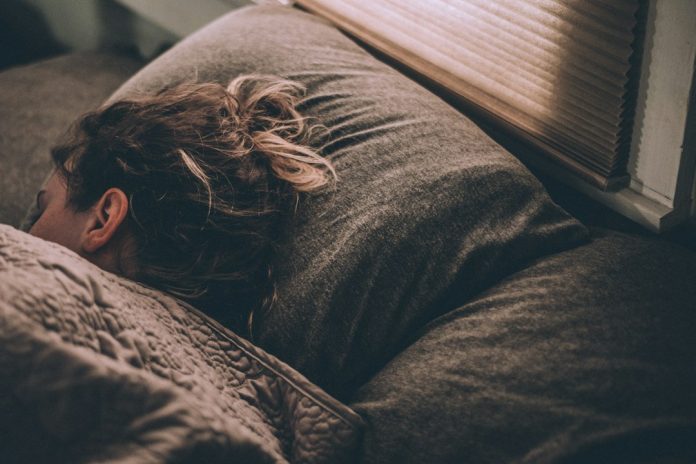
Sleep advice can sound simple: go to bed earlier, turn off the phone, and aim for enough hours. But the latest U.S. population data underline why the basics still matter. A 2026 CDC/NCHS report, based on the 2024 National Health Interview Survey, found that 30.5% of adults averaged less than seven hours of sleep in a 24-hour period.
That number does not mean every person needs exactly the same amount of sleep, and it does not turn seven hours into a magic threshold. It does show that short sleep remains common enough to be a public-health issue rather than just a personal productivity problem.
Seven hours is a useful floor for many adults
The CDC says adults ages 18 to 60 generally need at least seven hours of sleep per day. Adults ages 61 to 64 are typically advised to get seven to nine hours, while adults 65 and older are generally advised to get seven to eight hours. Individual needs vary, but consistently sleeping less than your body requires can affect how you feel and function during the day.
Sleep quality matters too. A long night in bed is not necessarily restorative if sleep is repeatedly interrupted. The CDC describes quality sleep as uninterrupted and refreshing, and lists difficulty falling asleep, repeated waking during the night, and feeling tired even after enough time in bed as possible signs of poor sleep quality.
What sleep supports
Healthy sleep is linked with attention, memory, mood, metabolism, cardiovascular health and day-to-day safety. The National Heart, Lung, and Blood Institute notes that sleep deficiency can interfere with learning, focus and reaction time. Over time, insufficient or poor-quality sleep is also associated with a higher risk of several chronic health problems.
These associations should not be interpreted as a simple one-way cause-and-effect relationship for every individual. Sleep can be influenced by work schedules, stress, mental health, medical conditions, medications, caregiving responsibilities and sleep disorders. In other words, “sleep more” is not always a complete solution.
The most practical habits are still the least glamorous
Both CDC and NIH guidance emphasize consistency. Going to bed and waking up at roughly the same time every day helps support the sleep-wake cycle. A quiet, dark and cool bedroom can also make sleep easier.
Light matters. Bright artificial light late in the evening can make it harder for some people to wind down, while natural light earlier in the day helps anchor the body clock. Regular physical activity is also part of healthy sleep guidance, although intense exercise immediately before bed may not work well for everyone.
Caffeine can stay active in the body for hours, so afternoon or evening use may affect sleep in sensitive people. Alcohol can make some people feel sleepy initially but may disrupt sleep quality later in the night. Large meals close to bedtime can also be uncomfortable for some people.
When a sleep problem is more than a bad routine
If you regularly struggle to fall asleep, wake repeatedly, feel excessively sleepy during the day, or do not feel refreshed despite spending enough time in bed, it may be worth discussing the pattern with a healthcare professional. Sleep apnea, insomnia, restless legs syndrome, narcolepsy and other conditions can interfere with restorative sleep.
A simple sleep diary can be useful before an appointment. Recording bedtime, wake time, nighttime awakenings, naps, caffeine, alcohol, exercise and medications can help reveal patterns and give a clinician more useful context.
The takeaway
The goal is not perfect sleep every night. It is a pattern that gives your body enough time and enough quality sleep on most nights. The 2026 CDC data show that short sleep remains common, while established sleep guidance still points to the same practical foundations: enough time in bed, a consistent schedule, a supportive sleep environment and attention to persistent symptoms.
Sources: CDC/NCHS Data Brief 559 (2026); CDC: About Sleep; NHLBI: Healthy Sleep Habits.
This article is for general information and does not replace medical advice or diagnosis.