Carbon monoxide is a gas you cannot see, smell or taste. It can build up when fuel-burning equipment is used, installed or ventilated incorrectly. Early symptoms—including headache, dizziness, weakness, nausea, chest discomfort and confusion—can resemble other illnesses, which is one reason exposure may be missed.
The safest approach is prevention: maintain equipment, use fuel-burning devices only where they are designed to operate, and keep working carbon monoxide alarms in the home. The following seven checks turn that advice into a practical seasonal routine.
1. Put alarms where people can hear them
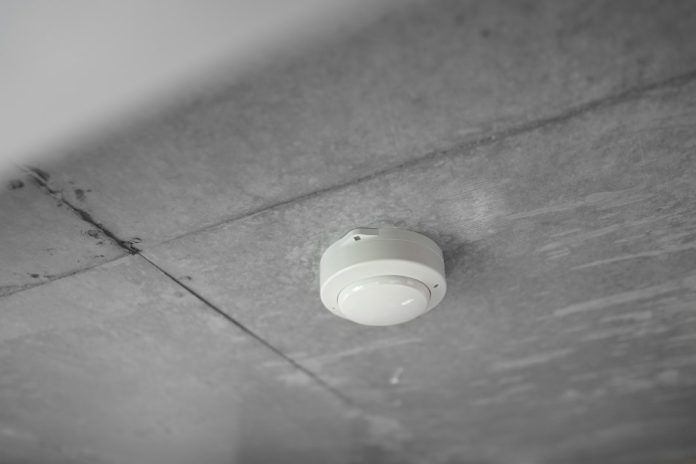
Install carbon monoxide alarms on every level of the home and outside sleeping areas, following the manufacturer’s instructions and local building requirements. An alarm hidden in a box, disconnected because of nuisance sounds or placed beyond its operating life cannot protect anyone.
Test alarms regularly and replace batteries and devices according to the product instructions. Note the replacement date somewhere visible. Carbon monoxide alarms are a separate safety layer from smoke alarms, although combination units are available.
2. Service fuel-burning equipment
Heating systems, chimneys, vents and other fuel-burning appliances should be inspected and serviced by a qualified technician at the recommended interval. A blocked flue, damaged vent or poorly adjusted appliance can allow combustion gases to enter living spaces.
Do not treat an alarm as a maintenance reminder. If it sounds, move to fresh air and follow emergency guidance; inspection comes after immediate safety.
3. Never use an oven or grill as a heater
A gas range or oven is made for cooking, not space heating. Charcoal grills, portable camp stoves and similar devices should never be used indoors, in a garage or in another enclosed area unless the manufacturer specifically designed and approved the device for that use.
Opening a window is not a substitute for correct operation. Carbon monoxide can accumulate quickly and unpredictably.
4. Keep portable generators well outside
Portable generators belong outdoors, never inside a home, garage, basement, shed or crawl space—even with doors or windows open. Public-health guidance recommends keeping a generator more than 20 feet (about 6 metres) from doors, windows and vents, with exhaust directed away from buildings.
During an outage, use a battery-powered or battery-backup carbon monoxide alarm. Plan cable routes and a dry operating position before bad weather arrives so the generator is not moved closer to the building for convenience.
5. Treat the attached garage as part of the home
Do not leave a vehicle running in an attached garage, even when the garage door is open. Exhaust can move into the home through doors, gaps and shared structures. Move the vehicle outside promptly before warming it or checking its engine.
Have vehicle exhaust systems inspected when there are unusual sounds, smells or damage. Remember that carbon monoxide itself has no smell; exhaust odour is a warning about combustion gases, not a reliable detector of carbon monoxide.
6. Recognize a pattern, not just one symptom
Possible carbon monoxide poisoning can cause headache, dizziness, weakness, nausea, vomiting, chest pain or confusion. Symptoms affecting more than one person in the same place, improving after leaving the building, or appearing near fuel-burning equipment deserve urgent attention.
If an alarm sounds or exposure is suspected, move everyone—including pets—to fresh air and contact local emergency services. Do not re-enter to search for the source. People who are asleep, intoxicated, very young, older or living with certain health conditions may be affected before they recognize danger.
7. Make the response visible
Write a simple household plan: where to meet outside, who calls emergency services, where alarm manuals are stored and who arranges professional inspection. Make sure children, visitors and anyone who may not hear a standard alarm know the plan and have an accessible warning method.
A monthly alarm test and a yearly equipment review take only a few minutes. The value is not the checklist itself; it is reducing the chance that an invisible hazard goes unnoticed.
Sources
- U.S. Centers for Disease Control and Prevention: Carbon Monoxide Poisoning Basics (reviewed January 12, 2026).
- U.S. Consumer Product Safety Commission: Protect Your Family from Carbon Monoxide Poisoning.
This article provides general safety information and does not replace emergency or medical advice. If exposure is suspected, move to fresh air and contact local emergency services.