

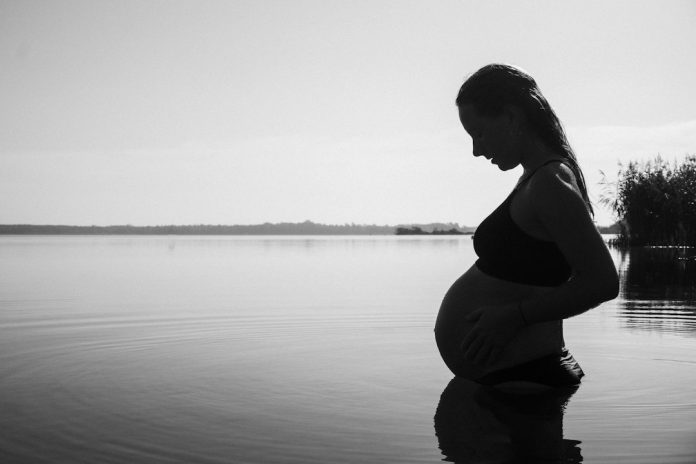
A new global monitoring framework is shifting the conversation about extreme heat from broad warnings to measurable health signals. The World Health Organization (WHO), World Meteorological Organization, UNICEF and UNFPA have identified priority indicators that countries can use to track how heat affects pregnant and postpartum women, newborns and children.
The framework is not a diagnostic tool for an individual family, and it does not mean every adverse outcome during hot weather was caused by heat. Its purpose is population-level surveillance: matching routine health data with temperature and heat-exposure data so unusual patterns can be investigated and services can prepare.
What the framework asks health systems to measure
The proposed indicators span four connected areas: routine maternal, newborn and child health monitoring; public-health surveillance; climate and health monitoring; and measures of heat exposure. In practical terms, the list includes outcomes such as preterm birth, stillbirth, low birthweight, pregnancy-related hypertension, child deaths and health-facility visits during periods of extreme heat.
School attendance can also be useful. It does not measure illness directly, but a sudden disruption during a heat event may reveal effects on children that clinical records alone miss.
Why linking health and weather data matters
A hospital may notice more visits, but without reliable exposure data it is difficult to know whether the pattern is related to heat, a circulating infection, air pollution or another factor. Conversely, a temperature alert does not show who became ill. Combining the two streams can produce an early signal for further investigation.
WHO says this information can help authorities prepare facilities for higher demand, improve warnings to pregnant women and families, identify communities facing greater risk and strengthen heat-health action plans.
What the evidence does—and does not—say
The WHO release cites research associating extreme-heat exposure with increased odds of preterm birth and notes that infants and children are experiencing more heatwave days. These are important public-health findings, but association is not a prediction for a particular pregnancy or child. Risk can vary with the intensity and duration of exposure, housing, access to cooling, underlying health, work conditions and local services.
That distinction matters. A percentage reported from pooled research should not be used to calculate an individual’s personal probability without clinical context. The framework instead helps systems detect trends and target prevention.
A practical household response
- Follow local heat and air-quality alerts, especially when a pregnancy, newborn or young child is involved.
- Keep indoor spaces as cool as possible; use shade, ventilation and safe cooling according to local advice.
- Offer fluids regularly to children who are old enough to drink them, and follow a clinician’s feeding guidance for infants.
- Move strenuous activity away from the hottest part of the day.
- Never leave a child in a parked vehicle, even briefly.
- Ask a clinician for individualized advice when pregnancy complications, chronic illness or medicines may change heat tolerance.
When to seek urgent help
Confusion, fainting, seizures, severe weakness, difficulty breathing, inability to drink, markedly reduced urination or a very hot person whose condition is worsening can be emergency warning signs. Local emergency guidance should take priority. Infants, pregnant people and anyone with significant medical conditions may need earlier assessment.
The takeaway
The new framework is best understood as infrastructure for prevention. It gives health authorities a common way to count what is happening, compare it with heat exposure and act sooner. For families, the message is simpler: heat risk is not limited to older adults, and pregnancy, infancy and childhood deserve explicit attention in heat plans.
Primary sources: WHO news release and WHO priority-indicators publication (21 October 2026).
Photo: Max Böhme via Unsplash, under the Unsplash License.














