People exposed to higher mixtures of metals after the 2023 Maui wildfires had worse lung-function measures in a new NIH-funded study. The finding adds to evidence that wildfire recovery is not only about smoke during the emergency. Dust, ash and contaminated material may remain relevant long after the flames are out.
The study was observational. It found an association, not proof that the measured metals caused each participant’s lung changes. That distinction matters for both public-health decisions and individual medical advice.
What the researchers measured
The research team enrolled about 1,400 adults who lived through the Maui wildfire. Participants were assessed six to 18 months after the disaster. Standard breathing tests measured lung function, while urine samples were analyzed for metals that can reflect environmental exposure.
The investigators evaluated 24 urinary metals and compared the results with national chemical-exposure data. Several concentrations were substantially higher among study participants. Antimony was nearly 40 times higher than the comparison average, manganese was nearly four times higher, and barium and arsenic were more than twice as high. Participants with the highest concentrations lived in areas most affected by the fire.
When the researchers analyzed the metals as a mixture, higher exposure was linked with poorer lung function. The mixture approach is important because disaster environments rarely expose people to a single substance in isolation.
Why metals can remain after smoke clears
Wildfires that move through populated areas burn more than vegetation. Buildings, vehicles, batteries, electronics, treated materials and household products can add metals and other contaminants to ash and dust. Wind, cleanup work and daily activity can then disturb those particles.
This study does not identify the precise source of every metal found in each person. It does, however, support the need to consider the chemical composition of post-fire environments rather than using visible smoke as the only marker of risk.
What the study cannot prove
Urinary metal levels are useful exposure indicators, but they do not reconstruct every participant’s exposure history. Lung function can also be affected by smoking, previous respiratory disease, work conditions, infections and many other factors. Observational analyses can adjust for measured differences, yet unmeasured factors may remain.
The study focused on adults in one disaster-affected community. Its results may not transfer directly to every wildfire, because building materials, weather, geography and recovery timelines differ. Longer follow-up is also needed to understand whether measured changes persist, improve or worsen.
Practical implications
For public-health agencies, the findings argue for environmental monitoring that continues into recovery. That can include testing ash and dust, communicating safe cleanup practices, providing appropriate protective equipment and making lung assessment accessible to affected residents.
Individuals who develop persistent cough, wheezing, breathlessness, chest tightness or reduced exercise tolerance after wildfire exposure should seek clinical evaluation. A study result cannot diagnose an individual, and supplements or “detox” products are not a substitute for medical care or exposure control.
The careful conclusion
The strongest conclusion is specific: in this Maui cohort, higher measured metal-mixture exposure after the wildfire was associated with worse lung function. The result supports broader recovery surveillance and further research, but it does not establish a single cause for every respiratory symptom.
Primary source: NIH Research Matters, “High metal exposures after wildfires may affect lung function”, October 27, 2026. The underlying study was published in the Proceedings of the National Academy of Sciences.
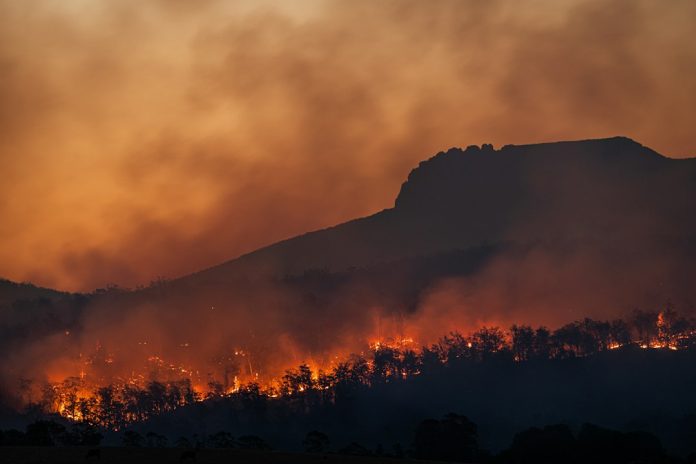
Featured image: Matt Palmer via Unsplash, used under the Unsplash License. The image is illustrative and does not depict the Maui study participants.