Seasonal influenza activity is increasing across the United States, according to the latest national surveillance update for the week ending November 14, 2026. The signal is important, but it should be read as population-level evidence—not as a diagnosis for any individual illness.
What the latest numbers show
Clinical laboratories reported that 11.8% of specimens tested were positive for influenza during surveillance week 45. Public health laboratories characterized 613 influenza-positive specimens: 608 were influenza A and five were influenza B.
Those figures indicate that flu circulation is building and that influenza A is dominant among the specimens characterized in the report. They do not mean that 11.8% of the general population has flu. The percentage comes from people whose specimens reached participating clinical laboratories, a group that differs from the population as a whole.
Why surveillance is useful
National surveillance combines several signals, including laboratory testing, outpatient illness, hospitalizations, mortality and geographic activity. No single measure captures the full picture. Together, they help public-health teams see whether influenza is increasing, which virus types are circulating and where severe outcomes may be changing.
Weekly figures can also be revised as additional reports arrive. Short-term changes therefore matter most when they are consistent across more than one indicator and more than one reporting period.
What the data cannot tell you
A surveillance report cannot determine whether a particular person’s fever, cough or fatigue is caused by influenza. COVID-19, respiratory syncytial virus and other infections can cause overlapping symptoms. A clinician may use symptoms, local circulation, risk factors and, when appropriate, testing to guide an individual assessment.
The national average also does not describe every state or community. Activity can rise earlier in one region and later in another, so local health-department information may provide more relevant context.
Practical steps as activity increases
- Review vaccination status. Seasonal flu vaccination remains the main preventive tool for reducing the risk of influenza and its complications. Ask a clinician or pharmacist about timing and suitability for you.
- Stay home when ill. Limiting close contact while feverish or acutely unwell helps reduce spread.
- Improve air and hand hygiene. Ventilation, handwashing and covering coughs can reduce transmission opportunities.
- Protect people at higher risk. Older adults, young children, pregnant people and those with certain chronic conditions may face a higher risk of complications.
- Seek timely advice. Antiviral treatment works best when started early for people who need it, so high-risk patients or those with severe symptoms should contact a healthcare professional promptly.
When to get urgent help
Urgent evaluation may be needed for difficulty breathing, chest pain, confusion, severe weakness, dehydration, bluish lips or face, or symptoms that improve and then suddenly worsen. Parents and caregivers should seek prompt advice when a child has trouble breathing, is difficult to wake, is not drinking enough or appears seriously unwell.
Surveillance is most useful as an early warning. The latest report shows that influenza activity is moving upward nationally, which is a reason to prepare and pay attention—not a reason to panic.
Primary source: CDC FluView, week 45.
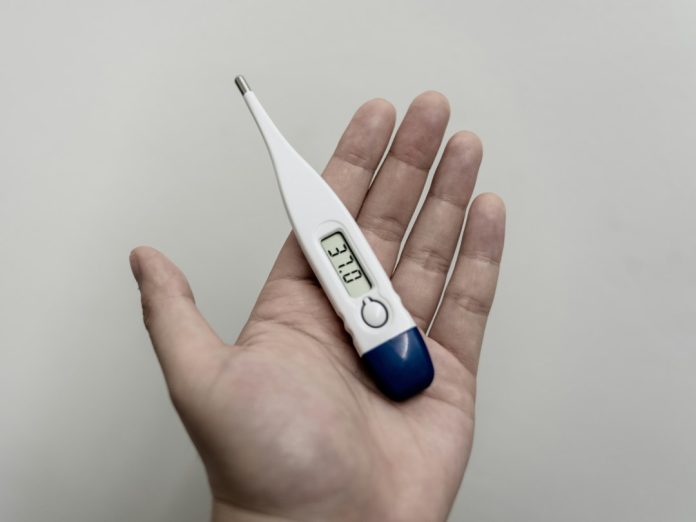
Image: Winel Sutanto / Unsplash. Illustrative photograph.
This article provides general information and is not a substitute for individual medical advice.