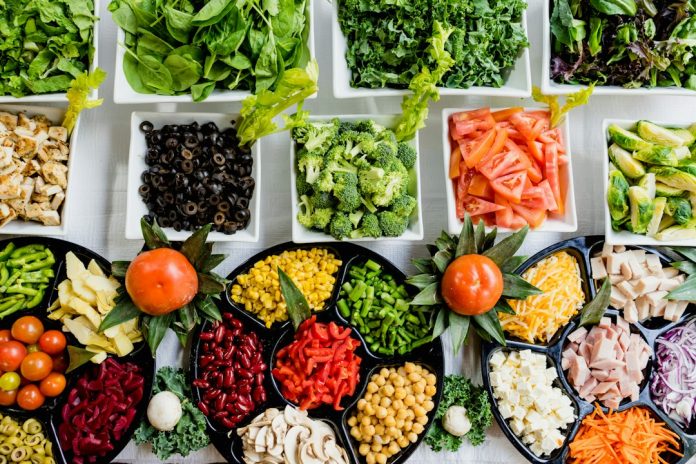
Healthy eating is often presented as a collection of forbidden foods, exact ratios or flawless meals. The World Health Organization’s updated healthy-diet guidance offers a more useful framework: adequacy, balance, moderation and diversity.
Those four principles shift the focus from one meal to the pattern built across days and weeks. They also leave room for culture, budget, availability and individual needs. A healthy diet can look different from one household to another while still following the same foundations.
Adequacy: meet needs without chasing extremes
Adequacy means supplying enough energy, protein, essential fats, vitamins and minerals to support health. It is not a call to maximise every nutrient. More is not automatically better, and individual requirements vary with age, activity, pregnancy, health conditions and other factors.
For most people, variety helps. Whole grains, vegetables, fruit, pulses, nuts, seeds and appropriate protein sources bring different nutrients to the table. The goal is coverage over time, not a perfect score at every sitting.
Balance: connect intake with real life
Balance includes the relationship between energy intake and expenditure, but it also means avoiding a diet dominated by any one food group. The WHO notes that carbohydrates can come primarily from whole grains, vegetables, fruit and pulses, while protein may come from both plant and animal sources depending on needs and context.
This is a practical reason to build meals around more than a single centrepiece. Adding vegetables, legumes or whole grains can improve diversity without demanding a complete menu overhaul.
Moderation: pay attention to the repeated exposures
The WHO recommends limiting free sugars to less than 10% of daily energy intake and salt to less than 5 grams per day for adults. These are population-level reference points, not tools for judging an isolated meal.
The larger challenge is frequency. Sodium and free sugars can accumulate through drinks, sauces, packaged snacks, processed meats, ready meals and foods eaten often. Reading labels and noticing habitual choices may be more informative than focusing on an occasional dessert or restaurant meal.
Free sugars include sugars added by manufacturers, cooks or consumers, as well as those naturally present in honey, syrups and fruit juice. Whole fruit is different because it also brings fibre and structure.
Diversity: widen the weekly rotation
Diversity does not require rare ingredients. Rotating familiar foods—different beans, seasonal vegetables, whole grains, nuts and protein sources—can broaden nutrient intake and make meals more interesting.
The WHO advises people older than 10 to aim for at least 400 grams of fruit and vegetables and at least 25 grams of naturally occurring dietary fibre per day. These targets can be approached gradually by adding produce and fibre-rich foods across meals.
Translate guidance into small defaults
A pattern is easier to maintain when the environment supports it. Keep convenient produce visible, choose lower-sodium versions when practical, use herbs and spices for flavour, and make water the default drink. Frozen and canned vegetables and fruit can also fit, especially when they do not contain added sugars or excess sodium.
Medical conditions, allergies, pregnancy, eating disorders and kidney disease can change what is appropriate. Personalised advice should come from a qualified health professional. For the general population, however, the central message is reassuring: consistency matters more than perfection.
Primary source: World Health Organization, “Healthy diet,” updated 26 January 2026.
Featured photo: Dan Gold / Unsplash.