Oral health is easy to treat as a narrow issue: brush, floss, see a dentist, repeat. But the mouth is part of the body, and problems there can affect comfort, nutrition, sleep, communication, confidence and the management of other health conditions.
The US Centers for Disease Control and Prevention describes good oral health as part of a healthy body and highlights the value of prevention across every age. The practical lesson is not that a toothbrush can prevent every disease. It is that consistent home care, risk reduction and timely professional care work together.
Start with a routine you can repeat
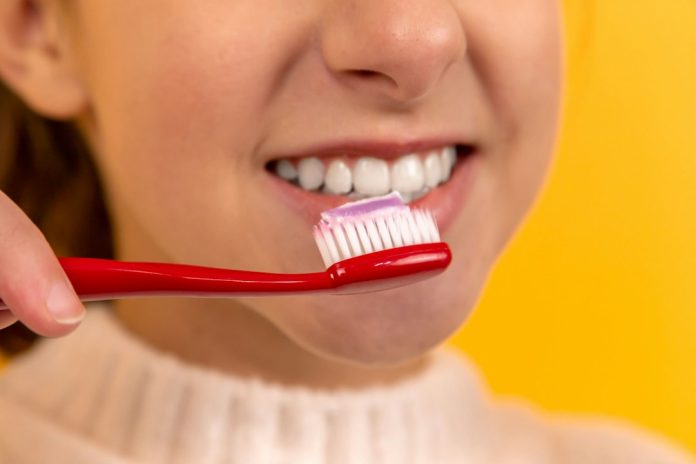
A prevention plan only works if it survives busy mornings, travel and tired evenings. Keep the basics visible and simple: brush thoroughly twice a day with fluoride toothpaste, clean between teeth regularly, and replace a worn toothbrush or brush head. If dexterity, pain or disability makes this difficult, an electric brush, adapted handle or help from a caregiver may make the routine more reliable.
Technique matters, but force is not the goal. Aggressive brushing can irritate gums. A dental professional can demonstrate an approach suited to your teeth, restorations, braces, implants or gum health.
Pay attention to gums, not only teeth
Bleeding, swelling, persistent bad breath, tenderness or gums pulling away from teeth are not simply cosmetic concerns. They can signal inflammation that deserves attention. Early problems may be painless, which is why waiting for severe discomfort is not a good screening strategy.
Home care can reduce plaque, but it cannot remove every deposit or diagnose the cause of a change. Regular dental assessments should be based on personal risk rather than an assumed one-size-fits-all timetable.
Reduce the exposures that add up
Tobacco products are linked to cancers of the head and neck and can worsen oral health. Quitting support is therefore part of an oral-health plan, not a separate issue. Alcohol use, frequent sugary drinks or snacks, dry mouth and some medications can also influence risk.
If a medicine causes dry mouth, do not stop it on your own. Ask a clinician, dentist or pharmacist about safer ways to manage the symptom. Saliva helps protect the mouth, and persistent dryness can raise the risk of decay and discomfort.
Make food and drink choices easier
Frequent exposure can matter as much as the amount consumed. Sipping a sugary or acidic drink over many hours repeatedly exposes teeth. Water is a practical default between meals, while balanced meals support general and oral health.
Needs differ for children, older adults, people with diabetes, pregnant people and anyone undergoing cancer treatment or taking medicines that affect the mouth. Personal guidance is especially valuable when risk is higher.
Know the warning signs that should not wait
Contact a dental professional promptly for ongoing pain, a broken tooth, swelling, bleeding that does not settle, a sore or patch that persists, difficulty chewing or swallowing, or a change in the fit of dentures. Facial swelling accompanied by fever, trouble breathing or trouble swallowing can require urgent medical assessment.
Do not place aspirin directly on a painful tooth or gum. Temporary relief does not treat infection, injury or another underlying cause.
Connect dental and medical care
Tell dental professionals about health conditions, allergies and all medicines or supplements you take. Tell medical professionals about major oral problems, especially infections, persistent lesions or difficulty eating. Shared information helps both teams make safer decisions.
People with diabetes, heart conditions, immune suppression or complex treatment plans may need coordinated advice. That does not mean every oral symptom is caused by another disease; it means context matters.
A seven-point prevention checklist
- Brush twice daily with fluoride toothpaste.
- Clean between teeth using a method you can perform consistently.
- Check for bleeding, swelling, pain or persistent changes.
- Use water as the routine drink between meals.
- Avoid tobacco and seek support to quit if needed.
- Keep a dental review schedule matched to your personal risk.
- Ask for help early when symptoms persist or interfere with eating, sleep or daily life.
Prevention is a system, not a single product
No mouthwash, supplement or gadget replaces the combination of daily care, lower-risk habits and professional assessment. The best routine is usually the one that is evidence-based, affordable and realistic enough to continue.
This article provides general health information and is not a diagnosis or a substitute for personalised dental or medical care. Source: official oral-health prevention information from the US Centers for Disease Control and Prevention, reviewed 18 October 2026.