

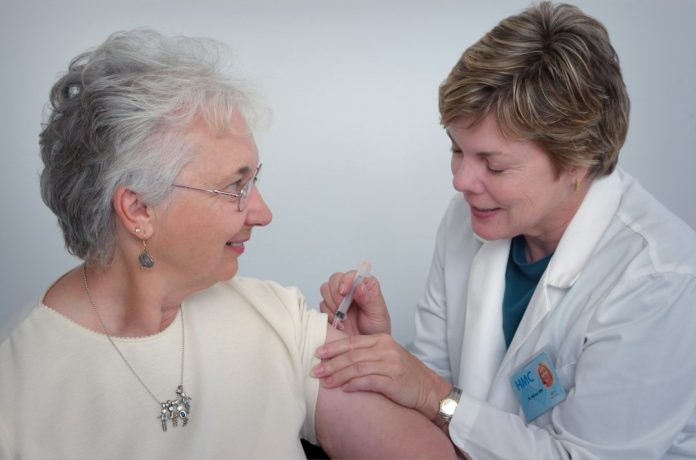
Shingles is caused by the reactivation of the varicella-zoster virus—the same virus that causes chickenpox. The risk rises with age, and the illness can lead to prolonged nerve pain even after the rash clears. Vaccination can lower the chance of shingles and its complications, but the right timing depends on your age, immune status, health history and local guidance.
The questions below are based on current U.S. public-health recommendations. Vaccine schedules and availability vary by country, so use them as a starting point for a conversation with a qualified clinician or pharmacist.
1. Am I in the routinely recommended age group?
Current CDC guidance recommends two doses of recombinant zoster vaccine for adults aged 50 and older. It also recommends two doses for adults aged 19 and older who are or will be immunodeficient or immunosuppressed because of disease or therapy. Being eligible does not remove the need to review your individual medical history.
2. What if I have already had shingles?
A previous episode does not provide reliable lifelong protection. U.S. guidance still recommends vaccination for eligible adults who have had shingles. There is no fixed waiting period after a past episode, but the vaccine should not be given during an acute outbreak. Ask when your symptoms have resolved enough to proceed.
3. How far apart should the two doses be?
For most immunocompetent adults, the usual interval is two to six months. Some people who are immunocompromised may benefit from completing the series over one to two months. If more than six months pass after the first dose, current guidance says to receive the second dose as soon as possible rather than restarting the series.
4. Does an older shingles vaccine change the plan?
People who previously received the older live shingles vaccine may still be advised to receive the recombinant vaccine. Timing can depend on age and the date of the earlier vaccination. Bring any available immunization record so the clinician can confirm the appropriate interval.
5. Can it be given with another adult vaccine?
Recombinant vaccines can generally be administered at different injection sites during the same visit as other adult vaccines. That does not mean every combination is right for every person. Review recent vaccinations, acute illness and upcoming treatment before scheduling.
6. What side effects should I plan for?
Temporary soreness, fatigue, muscle pain, headache, fever or stomach symptoms can occur after vaccination. Ask what reactions are expected, how long they usually last, and which symptoms warrant medical advice. Planning a less demanding day after the injection may help if you tend to react strongly to vaccines.
7. Do my medicines or immune conditions affect timing?
Immune-suppressing medicines, cancer treatment, transplant care and certain chronic conditions can change the best time to vaccinate. The goal may be to complete vaccination before immune suppression intensifies or during a period when the immune response is expected to be stronger. Never stop or delay prescribed treatment without medical advice.
The practical takeaway
Bring your vaccination record, medication list and the approximate date of any previous shingles episode. Confirm whether the guidance used applies in your country and to your health situation. Vaccination decisions are most useful when they are made from a complete history rather than an age threshold alone.
Sources: CDC shingles vaccine recommendations and adult immunization guidance, reviewed October 2026.














