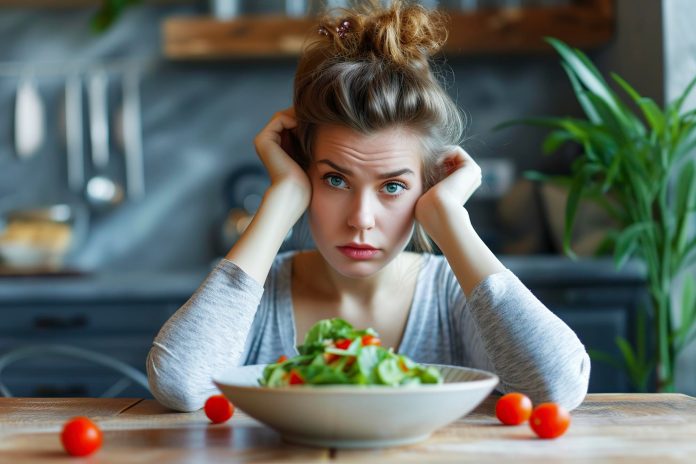
Have you ever been so stressed that food suddenly became the last thing on your mind? For other people, stress can have the opposite effect, increasing the desire to eat, especially highly enjoyable foods.
The link between stress and appetite is not the same for everyone. The intensity and duration of stress, along with individual differences, can all influence how we respond.
What happens to appetite under stress?
When we face a stressful situation, the body activates systems involved in the stress response. At the same time, processes linked to hunger, fullness and food intake can also be affected.
During acute stress, appetite may temporarily decrease. This may explain why food can seem less appealing when something is occupying our mind.
The picture can be different when stress continues for longer. Research has linked ongoing stress with changes in eating behaviour and, in some people, a stronger desire for highly palatable foods.
Why doesn’t everyone respond the same way?
There is no single stress response when it comes to appetite. One person may temporarily lose interest in food, while another may turn to food as a way of coping with difficult emotions.
The relationship is complex and can be influenced by the intensity and duration of stress, eating habits and individual responses to emotional pressure.
What can we do?
If stress has temporarily affected your appetite, keeping a regular eating routine can help. When a full meal feels difficult, smaller and simpler meals may be easier to manage.
It can also be useful to notice whether the change happens only during stressful periods or continues after the stressful situation has passed.
When should you seek professional advice?
A temporary change in appetite can happen during periods of stress. However, if loss of appetite continues, is accompanied by significant unintentional weight loss or other symptoms, or makes it difficult to eat regularly, it is worth speaking with a healthcare professional.
The takeaway
Stress can affect appetite, but not always in the same way. It may temporarily reduce the desire to eat or, in some situations, increase the desire for certain foods. What matters is looking at the change in the context of the person’s overall health and how long it lasts.