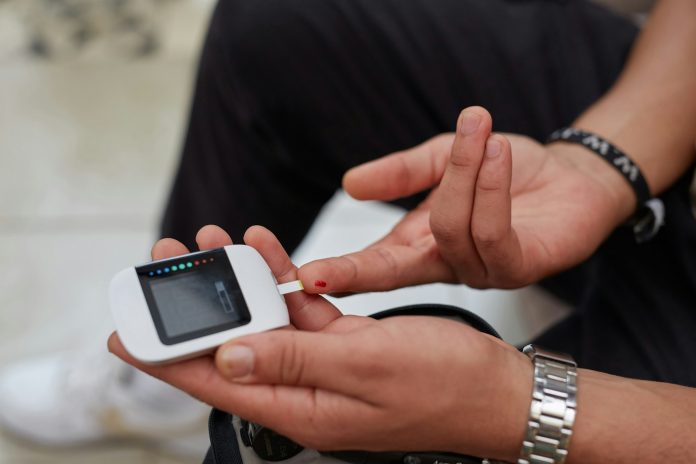
The World Health Organization has issued its first guideline focused on insulin use for adults with type 1 diabetes. The document is written for health systems and clinicians, including those working in low-resource, emergency and humanitarian settings, but its central messages are also useful for patients and families who want to understand what consistent care should include.
Type 1 diabetes is a lifelong condition in which the body does not make enough insulin. Daily insulin is essential for survival. The new guidance does not replace an individual treatment plan, and no one should change insulin type, dose or monitoring without their own diabetes-care team.
Intensified insulin therapy is the core recommendation
WHO strongly recommends intensified insulin therapy for adults with type 1 diabetes. In practice, this generally means multiple daily injections with doses adjusted according to blood-glucose values. The approach aims to match insulin more closely to meals, activity and changing daily needs.
The guideline recognizes that care must be adapted when supplies, staffing or laboratory access are limited. That matters because the safest plan is not only the most technically advanced plan; it is one that a person can obtain, understand and continue reliably.
Human insulin remains an effective option
Both human insulin and insulin analogues may be used. WHO notes that human insulin is often the preferred option where cost is a major constraint because it is generally less expensive. Analogues can still be appropriate depending on the person’s clinical needs, risk of low blood glucose, lifestyle and local availability.
This is an important equity point. A care system should not present a single expensive product as the only route to effective treatment when a safe, affordable alternative is available. At the same time, switching products requires education because timing and action profiles can differ.
Monitoring is part of treatment, not an optional extra
Insulin decisions depend on glucose information. WHO recommends regular self-monitoring, using finger-prick testing or continuous glucose monitoring where available. The guideline also supports periodic HbA1c testing—often at intervals of up to three months—to show average glucose levels over time.
A continuous glucose monitor can provide valuable trends and alerts, but access remains uneven. Where it is not available, structured finger-prick testing can still guide care. The essential goal is to ensure that people have a workable way to detect high and low glucose and adjust treatment with professional support.
Targets need to be individualized
The guideline identifies an HbA1c target of 7.0% (53 mmol/mol) or lower for most adults, while emphasizing that targets must be individualized. Pregnancy, older age, other medical conditions, recurrent severe hypoglycaemia and limited access to monitoring can all affect what is safe and realistic.
A number alone should never be used to judge effort or adherence. Glucose levels are influenced by illness, stress, hormones, food, activity, medication timing and many other factors. Useful consultations focus on patterns, barriers and practical adjustments rather than blame.
Continuity planning is essential
Adults using insulin need a plan for travel, supply interruptions, acute illness and emergencies. That includes knowing how insulin should be stored, carrying identification and rapid-acting carbohydrate, keeping prescriptions and supply details accessible, and understanding when ketone testing or urgent care is needed.
Health services also have responsibilities: reliable procurement, affordable access, trained staff and clear referral routes. WHO’s guidance gives particular attention to settings where conflict, disasters or displacement can interrupt ordinary care.
What patients can ask at their next appointment
- Does my insulin schedule still fit my meals, work, sleep and activity?
- What glucose checks are most useful for the decisions I need to make?
- How should I treat and prevent low blood glucose?
- What is my personal HbA1c goal, and why?
- What should I do during illness or if my usual supplies are unavailable?
- Could structured education or diabetes technology improve safety for me?
Type 1 diabetes care is more than access to insulin alone. Safe treatment requires insulin, monitoring, education and a system that helps people maintain care every day.
Sources: WHO news release on the adult type 1 diabetes guideline; WHO guideline publication.
This article is for general information and does not provide individualized medical advice. Seek urgent medical care for severe hypoglycaemia, vomiting with high glucose or ketones, breathing difficulty, confusion, or suspected diabetic ketoacidosis.