Medicines are often discussed as if one formulation can serve every age group. In practice, children may need different strengths, dosage forms and evidence from adults. On World Children’s Day 2026, the World Health Organization’s Global Accelerator for Paediatric Formulations Network (GAP-f) highlighted both progress and the work still required to make medicines safe, effective and appropriate for children.
Why paediatric formulations matter
A medicine can be clinically valuable yet difficult to use if the strength, format or instructions do not fit a child’s age and needs. Paediatric development therefore involves more than reducing an adult dose. Researchers and regulators must consider age-appropriate dosing, usable formulations, safety evidence and reliable access through health systems.
WHO says important gaps remain between scientific innovation and treatments that reach children. Closing those gaps requires coordinated priorities, stronger clinical research and practical work inside national health systems.
The “30 by ’30” roadmap
GAP-f’s 2025–2030 roadmap includes a “30 by ’30” commitment: assess priorities across 10 high-burden diseases, accelerate 10 priority medicines and strengthen paediatric-medicine ecosystems in 10 countries by 2030. WHO’s Paediatric Drug Optimization process brings experts together to identify which medicines and formulations should receive priority attention.
The network is also preparing resources that map paediatric clinical-trial capacity and share guidance on study design and implementation. Better coordination can reduce duplicated effort and help evidence emerge faster for medicines children most need.
Development is only half the task
A suitable medicine has little impact if it is unavailable, unaffordable or difficult for local services to deliver. WHO therefore links global product priorities with country-level barriers, procurement, regulation and clinical use. A 2026 regional workshop in South-East Asia, for example, examined how four pilot countries could strengthen their paediatric-medicine systems.
What families should take from this
Caregivers should use medicines in the form and dose recommended for the child and ask a qualified health professional before splitting, crushing or adapting a product. “Natural”, over-the-counter and adult-labelled products are not automatically suitable for children. Questions about the active ingredient, strength, measuring device and duration of use are reasonable parts of every consultation.
The larger message is structural: children should not have to wait for therapies designed around their needs. Research, regulation and access must move together.
Primary source: World Health Organization, Better medicines for every child, 20 November 2026.
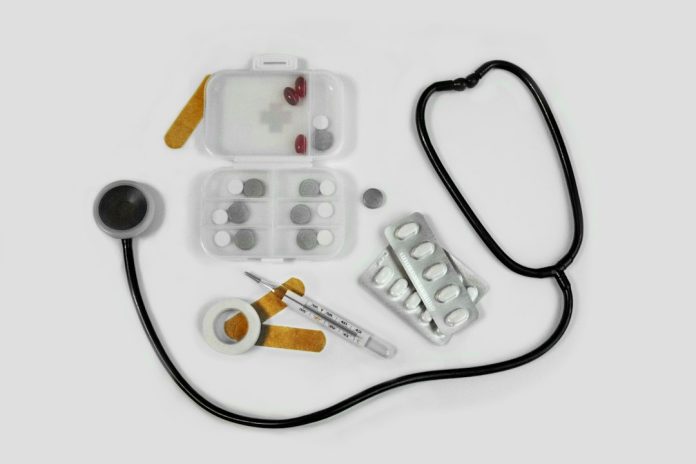
Photo: Julia Zyablova / Unsplash. This article is general public-health information and does not replace individual medical advice.