Type 1 diabetes is often associated with childhood, but adults also develop and live with the condition. New guidance from the World Health Organization places adult care at the centre of a global framework for diagnosis, insulin use and glucose monitoring.
A lifelong condition that cannot wait
In type 1 diabetes, the body does not make enough insulin. Daily insulin is therefore essential, not optional. WHO estimates that about 9.5 million people were living with type 1 diabetes in 2025, while roughly 500,000 more were diagnosed during that year. The guidance is designed for ordinary health systems as well as low-resource, emergency and humanitarian settings, where continuity of treatment can be especially fragile.
Multiple daily injections remain a practical standard
WHO strongly recommends intensified insulin therapy using several injections per day, with doses adjusted according to blood-glucose values. Human insulin remains an appropriate and effective option and is generally preferred where affordability matters. Insulin analogues may also be used when clinically needed.
This is not a do-it-yourself dosing plan. Insulin choices and dose adjustments require an individual care plan, training and regular review by qualified health professionals. Needs can change with meals, activity, illness, pregnancy, other medicines and many additional factors.
Monitoring is part of treatment
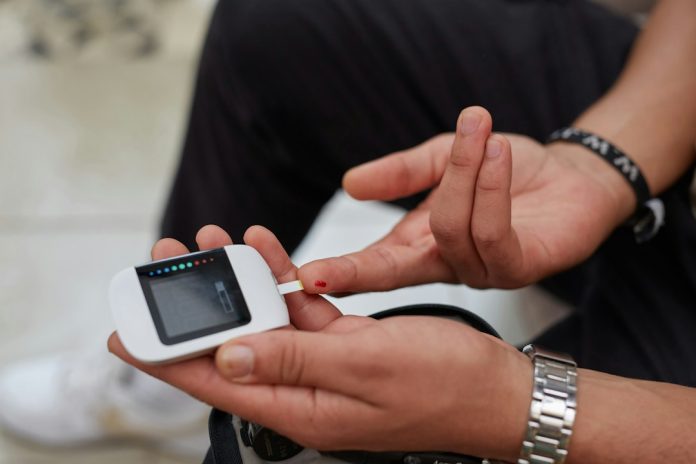
The guidance recommends regular assessment of glucose control. At home, this may involve finger-prick testing or a continuous glucose monitor. In clinical care, tests that reflect average glucose over recent months help teams evaluate whether the treatment plan is working. Where blood testing is unavailable, urine glucose testing may be considered, although it provides less direct information.
Technology can make monitoring easier, but a device does not replace clinical interpretation. Alarms, trends and readings are most useful when the person knows what action to take and has access to the insulin, supplies and professional support needed to act safely.
Equity and continuity matter
The new guidance repeatedly returns to access. A theoretically ideal regimen has little value if insulin is unaffordable, refrigeration is unreliable, test strips are unavailable or follow-up is interrupted. WHO’s global target is universal access to affordable insulin treatment and blood-glucose self-monitoring for people with type 1 diabetes by 2030.
For adults and families, the practical message is straightforward: type 1 diabetes requires reliable daily care, a clear monitoring plan and rapid access to professional help when readings, symptoms or circumstances change. The guidance offers a global clinical framework; personal treatment decisions remain individual.
Primary sources: WHO news release, 14 November 2026 and WHO guideline on insulin use for adults with type 1 diabetes.
Featured image: Sweet Life / Unsplash, used under the Unsplash License.