Climate policy is often discussed in tonnes of carbon and long-term temperature targets. A new World Health Organization analysis reframes part of the debate around immediate health protection. It estimates that scaling up six established measures worldwide could prevent about 1.6 million deaths each year, while producing substantial economic and fiscal benefits.
The figure is a modelled estimate, not a count of deaths already prevented. It depends on assumptions about how widely and how quickly the measures are implemented. That distinction matters, but so does the report’s central point: many climate-related health risks can be reduced with tools that already exist.
The six measures assessed
The WHO analysis covers heat-health warning systems; climate-resilient drinking-water services; basic sanitation; hygiene and handwashing facilities; cleaner fuels and technologies for household cooking and heating; and more efficient fossil-fuel pricing policies.
These interventions operate through different pathways. Heat alerts can trigger outreach, cooling plans and changes in working hours before extreme temperatures peak. Safe water, sanitation and hygiene reduce exposure to infectious disease after floods, droughts and infrastructure disruption. Clean household energy lowers indoor air pollution. Fossil-fuel pricing can reduce pollution and greenhouse-gas emissions while changing public revenue.
What the estimates say
WHO reports that global scale-up could generate roughly US$3.9 trillion in annual economic welfare benefits and a further US$5.4 trillion in fiscal benefits. Across five of the six actions, the analysis estimates an average return of US$24 for every US$1 invested.
Heat-health warning systems stand out in the model because they can use existing weather and public-health infrastructure at relatively low cost. The report estimates a very high return for these systems. Fossil-fuel pricing produces the largest total gains in the model, largely through reduced air pollution, lower emissions and fiscal effects.
These are global averages and should not be read as a guaranteed return for every city or country. Local climate, baseline infrastructure, energy use, health-system capacity and the design of a policy will change both costs and outcomes.
Why public health agencies matter
A warning has little value if it does not reach the people most at risk or connect them with practical support. Effective heat plans need clearly defined thresholds, trusted messages, occupational protections, accessible cooling options and contact with older adults, people with chronic conditions, infants, outdoor workers and people without adequate housing.
Water and sanitation investments also require maintenance, surveillance and contingency planning. Cleaner cooking technologies must be affordable, reliable and culturally acceptable. In each case, the health benefit depends on delivery, not merely on adopting a policy label.
How to interpret the evidence responsibly
The WHO report models outcomes from 2024 to 2075 under scale-up and no-scale-up scenarios. It draws on recent evidence syntheses and datasets, but the authors also identify limitations: ambitious coverage assumptions, uncertainty in long-term projections, limited evidence for some relationships and the fact that certain interactions between measures are not modelled together.
That does not make the analysis irrelevant. It means decision-makers should treat the estimates as a guide to the scale and direction of potential benefits, then test local plans against local data. Transparent monitoring—heat illness, air quality, water access, hospital use, mortality and distributional effects—can show whether policies protect the people most exposed.
The practical takeaway
Climate and health policy do not have to wait for a new technology. Early warnings, safe water and sanitation, clean household energy and pollution-reducing measures can deliver health benefits alongside emission reductions. The strongest programmes will pair national investment with local implementation, clear accountability and safeguards for households that might otherwise bear unfair costs.
Primary source: World Health Organization, Six climate and health actions could save 1.6 million lives and deliver trillions in benefits each year, 4 November 2026.
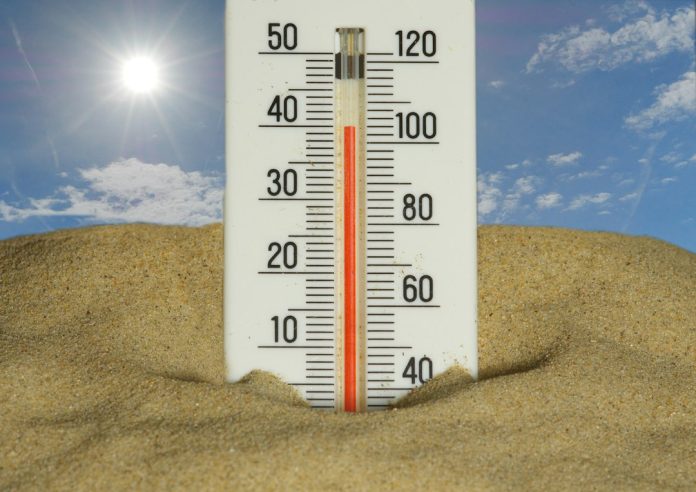
Photo: Immo Wegmann / Unsplash (Unsplash License).