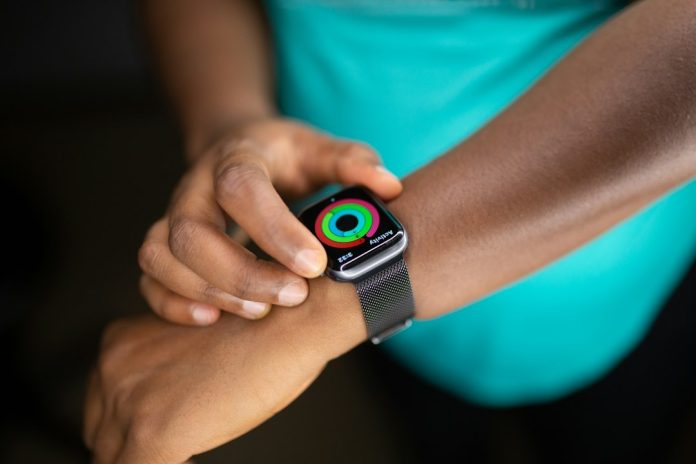
Wearable devices can count steps and estimate time spent moving or sitting, but population health surveillance requires more than a consumer dashboard. Data must be comparable, accessible and reliable enough to support decisions across different communities and health systems.
The World Health Organization has opened a consultation on a draft target product profile for wrist-worn devices designed to measure physical activity and sedentary behaviour in population monitoring systems. The consultation runs from November 8 to December 6, 2026.
Why objective measurement matters
Public health agencies commonly use questionnaires to track activity levels. Surveys can reach large populations and capture context, but they also depend on memory and interpretation. A wearable sensor can provide a more direct record of movement over time, offering a useful complement to self-reported information.
That does not make every wearable result a clinical measurement. Consumer devices use different sensors, algorithms and definitions. Their outputs may change with software updates, placement on the body, charging patterns and whether a person wears the device consistently. For surveillance, consistency across people and time is essential.
What a target product profile does
A target product profile sets out the characteristics a product should meet for a defined use. WHO’s draft distinguishes minimum requirements from additional desirable features. The aim is to guide manufacturers, researchers and public health programmes toward devices that can function in real monitoring systems rather than only in short-term studies.
Key considerations include the ability to measure physical activity and sedentary behaviour, access to usable data, scalability and practical operation in settings with limited resources. Battery life, data transfer, device management and transparent processing can matter as much as the sensor itself when thousands of participants are involved.
Data access and comparability
A major challenge is that raw sensor data and calculated metrics are not always easy for health authorities to access. Proprietary algorithms may translate movement into steps, intensity categories or energy estimates without showing exactly how the calculation works. That can make comparisons difficult when devices or software versions change.
For long-term surveillance, programmes need clear documentation, stable measures and a way to preserve comparability. They also need governance rules for privacy, consent, retention and appropriate reuse. Movement data can reveal routines and patterns, so technical capability must be matched by proportionate safeguards.
Designed for real populations
A device that performs well in a laboratory may still fail in a national survey if it is expensive, uncomfortable, difficult to charge or dependent on a smartphone. WHO’s emphasis on scalability and applicability in low-resource settings recognizes that population monitoring must work beyond highly equipped research centres.
Inclusive design is equally important. Wrist size, mobility limitations, disability, age and daily activities can affect both wearability and interpretation. Validation should therefore include the populations in which the device will be used rather than assuming one performance profile applies to everyone.
What the consultation does not mean
The draft profile should not be read as an endorsement of a particular brand or as proof that a consumer tracker can diagnose disease. Its purpose is narrower: to define requirements for devices used to monitor movement patterns across populations.
For individuals, wearable information can still support awareness and goal-setting. Clinical decisions, however, should not rely on a single device metric without appropriate context and professional assessment.
A step toward better surveillance
If widely adopted, common requirements could make activity data more comparable across countries and over time. That would help health systems evaluate whether policies, environments and programmes are making it easier for people to move more and sit less.
The consultation also gives researchers, implementers and communities an opportunity to identify gaps before the profile is finalized. The most useful standard will be one that balances measurement quality with affordability, transparency, privacy and everyday practicality.
Primary source: World Health Organization consultation notice.
Photo by Solen Feyissa on Unsplash, used under the Unsplash License.