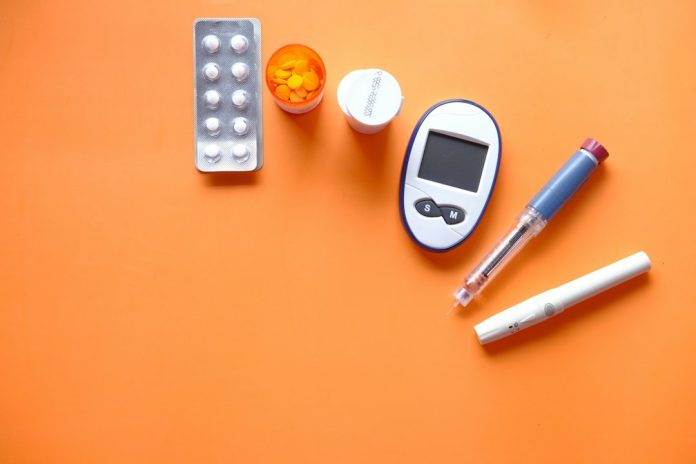
A home blood glucose meter can be useful for day-to-day decisions, but a number on the screen is only as trustworthy as the test strip, the sample and the technique behind it. The U.S. Food and Drug Administration (FDA) advises users to follow the instructions supplied with their meter and to use only the test strips recommended for that device.
Before acting on a reading, run these seven checks.
1. Match the strip to the meter
Test strips are not interchangeable. Confirm that the brand and model listed on the strip container match the meter. Avoid strips sold loose, transferred to another container or obtained from an uncertain source: storage history and authenticity matter.
2. Check the expiry date and storage conditions
Heat, humidity and an open container can affect strips. Keep them in their original vial, close it promptly and follow the manufacturer’s temperature and storage instructions. Do not use expired strips.
3. Wash and dry your hands
Small traces of food or sugar on a fingertip can distort a result. Wash with soap and water, then dry completely before lancing. If handwashing is not immediately possible, follow the meter manufacturer’s instructions rather than improvising a cleaning method.
4. Use an adequate blood sample
Insert the strip correctly and apply the amount of blood specified by the device. Too little blood, squeezing the finger forcefully or adding more blood after the test has started can produce an error or an unreliable result, depending on the meter.
5. Use control solution when the instructions call for it
A control-solution test can check whether the meter and strips are working together within the expected range. The FDA recommends consulting the manufacturer’s instructions for when to run this check—for example, when opening a new vial, after dropping the meter or when readings do not match how you feel.
6. Repeat a surprising result carefully
If the result seems inconsistent with your symptoms or usual pattern, wash and dry your hands, use a new strip and repeat the test according to the instructions. A repeat test is a troubleshooting step, not a substitute for medical assessment.
7. Know when the meter is not enough
Do not ignore symptoms because a home meter shows a reassuring number, and do not change medication or insulin solely on the basis of an unexpected or inconsistent reading unless you are following a plan agreed with your clinician. Contact a healthcare professional for guidance, especially when readings remain outside your personal target range, symptoms are severe, or the device repeatedly gives questionable results.
A simple reliability routine
Keep the meter clean as directed, store strips properly, carry backup supplies and record unusual results together with relevant context such as meals, exercise, illness and medication. Bring the meter to appointments if your care team asks you to compare it with a laboratory or clinic measurement.
Medical note: This article is general information and does not replace diagnosis, individual glucose targets or treatment advice from a qualified healthcare professional.