

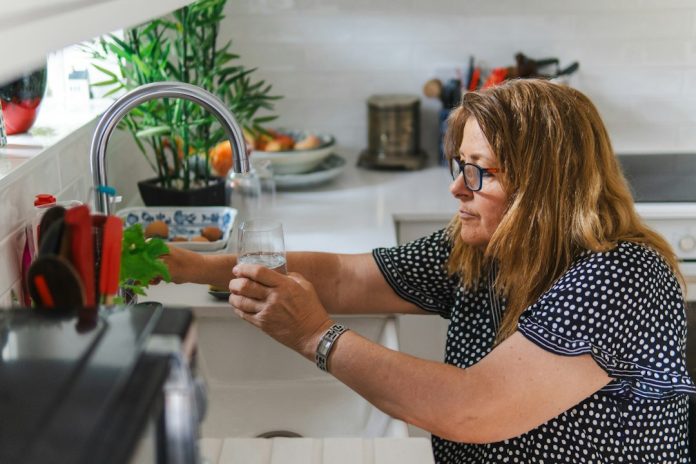
Falls are not an inevitable part of getting older. A useful prevention plan starts with the home, but it does not end there: vision, footwear, medicines, strength, balance, and a history of previous falls all matter. The goal is not to remove every normal activity. It is to remove avoidable hazards and bring clinical risks into the conversation early.
1. Clear the routes you use every day
Walk the path from bed to bathroom, kitchen, front door, and favorite chair. Remove loose cords, low furniture, bags, and clutter. A route that feels obvious in daylight can become difficult when someone is tired, rushing, or waking at night.
2. Treat rugs as equipment, not decoration
Loose rugs should be removed or secured with effective non-slip backing. Folded edges and small mats near sinks are common trip points. Check the floor transition between rooms as well.
3. Improve light before adding more furniture
Use bright, even lighting on stairs, hallways, and entrances. Place switches where they can be reached before entering a dark space. A night-light can help on the route to the bathroom, but it should not create glare or hide a step.
4. Make stairs a two-hand problem
Keep stairs clear and repair uneven steps. Secure handrails and, where practical, have a rail on both sides. Marking the edge of steps with contrast may help people with reduced vision distinguish each level.
5. Recheck the bathroom
Wet surfaces deserve special attention. Use a non-slip surface in the tub or shower. Properly installed grab bars are designed to support weight; towel rails usually are not. Consider whether the toilet height and shower entry are manageable without an unstable reach.
6. Review medicines and vision
Some medicines—or combinations of medicines—can contribute to dizziness, sleepiness, or low blood pressure. Do not stop a prescription on your own. Ask a clinician or pharmacist to review everything being taken, including over-the-counter products. Regular eye care matters too, particularly when glasses or vision have recently changed.
7. Build strength and balance
Home changes help, but physical capacity matters. Activities that safely improve leg strength and balance can reduce risk for many older adults. The right program depends on health, mobility, and fall history; a clinician or physical therapist can help choose an appropriate starting point.
When to ask for help
Tell a healthcare professional about any fall, near-fall, new unsteadiness, or fear that is causing someone to avoid normal activity. Seek urgent care after a fall when there is a head injury, severe pain, inability to bear weight, new confusion, weakness, or other concerning symptoms.
This article provides general education and does not replace an individual fall-risk assessment.














