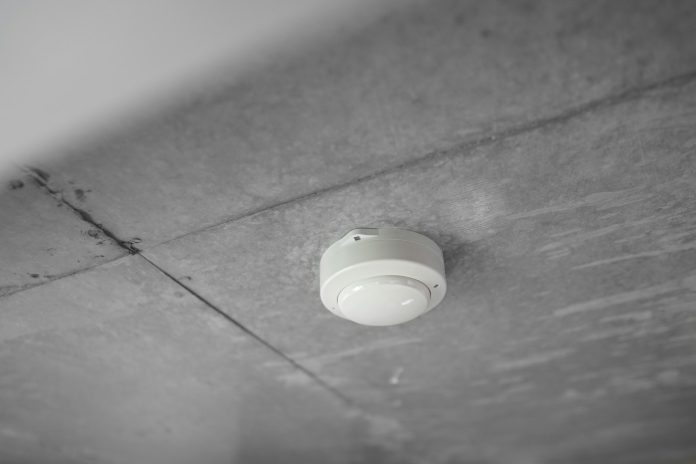
Smoke alarms are small devices with a very narrow job: warn people early enough to escape. That job depends on placement, power, maintenance and a household that knows what to do when the alarm sounds. A quick evening check cannot replace a full fire-safety plan, but it can reveal common gaps before an emergency.
1. Check every sleeping area
The U.S. Fire Administration recommends smoke alarms inside every bedroom, outside each sleeping area and on every level of the home, including the basement. Large homes may need additional alarms so the sound can be heard behind closed doors. Local building and fire codes may require a different or more detailed layout, so treat the official placement guidance as a baseline rather than a substitute for local requirements.
2. Look at the ceiling position
Smoke rises, which is why alarms are commonly installed high on a wall or on the ceiling. Keep them away from corners where moving air may not reach immediately. Follow the manufacturer’s installation instructions for distance from walls, cooking appliances, bathrooms, vents and ceiling fans. An alarm placed too close to steam or normal cooking smoke may produce frequent nuisance alarms, encouraging unsafe disabling.
3. Press the test button
Test each alarm at least monthly, following the manufacturer’s instructions. The test confirms that the alarm’s electronics and sounder respond, but it does not replace regular cleaning, battery checks or replacement at the end of the unit’s life. If an alarm does not sound, replace the battery when appropriate and retest. If it still fails, replace the alarm.
4. Read the manufacture date
Smoke alarms do not last indefinitely. The U.S. Fire Administration advises replacing the entire alarm every ten years. Check the label on the back or side for the manufacture date and the manufacturer’s replacement instructions. If the date cannot be read or the unit is older than its stated service life, plan a prompt replacement.
5. Never disable an alarm because of cooking
A nuisance alarm is a signal to improve placement, ventilation or the alarm type—not to remove the battery. Use the silence or hush feature if the manufacturer provides one, open a window or use the kitchen extractor. Move the alarm only in accordance with the instructions and applicable code. A disabled alarm cannot warn anyone about a real fire later that night.
6. Consider interconnected alarms
When alarms are interconnected, one detecting smoke can cause every alarm in the home to sound. This can be especially important when a fire starts on another floor or behind a closed door. Interconnection may be wired or wireless depending on the system. Check compatibility before combining devices and use a qualified professional when electrical work is required.
7. Pair the alarm with an escape plan
An alarm is the beginning of the response, not the whole response. Identify two ways out of each room when possible, keep exits clear, choose an outdoor meeting point and practise the plan with everyone in the household. Children, older adults, people with disabilities and anyone who may not hear a standard alarm may need additional planning or specialist alerting devices.
If the alarm sounds
Leave immediately, stay outside and call the local emergency number from a safe location. Do not go back inside for possessions. If smoke blocks the first route, use the planned alternative. If escape is impossible, close the door, seal gaps if practical, call emergency services and signal from a window.
Sources: U.S. Fire Administration smoke-alarm guidance and its installation and maintenance guidance.
This article provides general safety information. Follow the device manufacturer’s instructions and the fire and building requirements that apply where you live. For individual accessibility needs or installation questions, consult the relevant local authority or a qualified professional.