

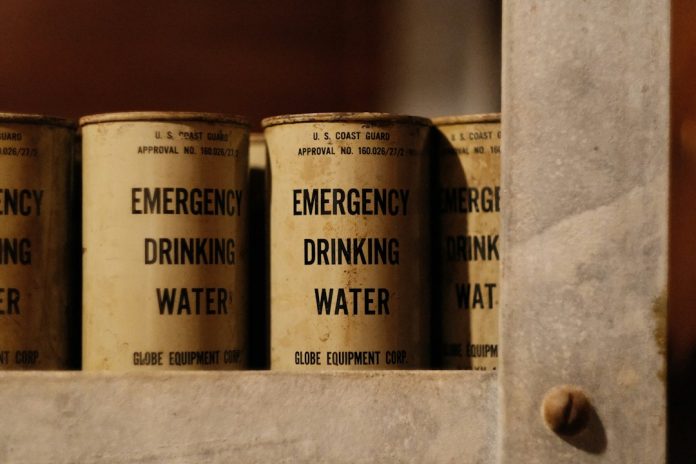
An emergency water supply is easy to postpone because the tap works today. A short interruption, local advisory or severe-weather event can change that quickly. Preparing water at home is useful, but the container, cleaning method and storage location matter as much as the quantity.
The following checks translate current public-health guidance into a household routine. They do not replace instructions from local authorities during an active advisory.
1. Start with commercially bottled water when practical
Unopened commercially bottled water is the simplest option for an emergency supply. Keep it in its original sealed container and follow the manufacturer’s date and storage instructions. Do not open a bottle until you need it.
If you fill containers yourself, use food-grade water-storage containers. A container that once held chemicals, fuel, pesticides or another toxic substance should never be repurposed for drinking water, even if it looks clean.
2. Choose a container you can close and pour safely
A suitable container should have a tight-fitting lid and be made from durable, unbreakable material. A narrow opening or a tap can reduce the need to put hands, cups or utensils into the stored water.
A very large container may be difficult to lift without touching the opening or spilling water. Several manageable containers can be easier to rotate and use hygienically than one heavy vessel.
3. Clean and sanitize before filling
Wash the container with dishwashing soap and water, then rinse it completely. Follow public-health instructions for sanitizing the container before use. Allowing soap residue, dirt or hands to contact the inside can undermine the purpose of storing safe water.
Keep the cap and any dispensing parts clean as well. Place them on a clean surface while the container is being prepared rather than on a counter that may hold food residue or household chemicals.
4. Fill from a known safe supply
Use water that is known to be safe for drinking. If local authorities have issued a boil-water, do-not-drink or do-not-use advisory, follow the specific instructions for that advisory. The correct response can differ depending on the suspected hazard.
Boiling can kill many germs, but it does not remove every chemical contaminant. Do not assume that heating makes water safe when officials have warned about a chemical or toxin.
5. Label every container
Write “drinking water” and the filling date on the container. If several people share the home, a clear label reduces the chance that the supply is used for cleaning or that an unapproved container is mistaken for potable water.
Use a simple rotation list. Note where each container is stored and the date it should be replaced according to current guidance or manufacturer instructions. A supply that nobody can date is difficult to manage confidently.
6. Store it cool, shaded and away from chemicals
Keep stored water in a cool place and away from direct sunlight. Do not place it near gasoline, pesticides, paint, cleaning chemicals or other toxic substances. Containers can be damaged, and some materials may allow odors or contaminants to affect the water.
Choose a location that remains accessible during an emergency. A supply at the back of a locked garage is less useful if the power is out or the area becomes unsafe to enter.
7. Protect the supply when you begin using it
Clean your hands before handling the container. Pour from the opening or use the tap instead of dipping cups or utensils into the water. Close the container promptly after each use.
If the water looks unusual, smells abnormal, the seal is damaged or the container has been stored next to a chemical spill, do not rely on it. Use another safe source and follow local public-health advice.
Build a routine, not a one-time purchase
An emergency supply works best when it is part of a small household system. Review it twice a year, check seals and labels, replace water when required and make sure every household member knows where it is.
During an emergency, official instructions take priority. Authorities may advise using bottled water, boiling water, treating it in another way or avoiding tap water entirely. The right action depends on the event.














