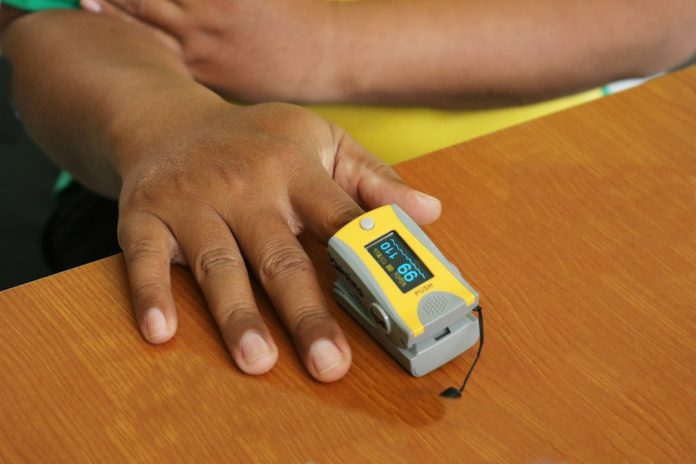
A fingertip pulse oximeter can be a useful way to follow a trend in oxygen saturation, but it is not a diagnosis and it should never be the only basis for a health decision. The US Food and Drug Administration (FDA) describes pulse oximetry as an estimate of blood oxygen levels and warns that readings can be inaccurate under some conditions.
1. Know what kind of device you have
Check the label and instructions rather than assuming every device sold online has been reviewed for medical use. The FDA distinguishes medical-purpose pulse oximeters from general-wellness or sporting products. A device marketed only for wellness may not have been evaluated by the agency for clinical decision-making. Keep the manufacturer’s instructions with the device and use the finger, position and operating method it specifies.
2. Sit still and give your hands time to warm
Poor circulation and cold skin can interfere with the signal. Before checking, rest for a few minutes, keep the hand relaxed and warm, and avoid taking the reading immediately after exertion unless a clinician has specifically asked you to do so. Place the hand on a stable surface and keep the finger still while the device settles.
3. Remove barriers from the measuring finger
Nail polish and artificial nails may affect some readings. Use a clean, uncovered finger and make sure the sensor is fully seated. Bright ambient light, movement and an incorrectly positioned probe can also make a number look more precise than it really is. If the displayed pulse does not seem plausible or the signal indicator is unstable, repeat the measurement rather than recording it immediately.
4. Wait for a stable number—and record the context
Do not treat the first flashing number as final. Wait until both the oxygen saturation and pulse display are reasonably steady. Write down the time, reading, pulse, symptoms and anything that could have affected the measurement. A series taken under similar conditions is usually more informative than isolated checks made with different fingers, positions or activity levels.
5. Remember that skin pigmentation and other factors matter
The FDA says accuracy can be affected by poor circulation, skin pigmentation, skin thickness, skin temperature, tobacco use and nail polish. Current evidence has shown differences in performance across skin tones, including a risk that oxygen levels may be overestimated in some people with darker skin pigmentation. That makes symptoms, trends and professional assessment especially important; a reassuring-looking figure should not override how someone is actually feeling.
6. Use thresholds given for the individual—not a number from the internet
Normal targets are not identical for everyone, particularly for people with chronic lung or heart conditions. Follow the plan provided by the treating clinician, including how often to check, which changes to report and when to seek urgent help. Do not change oxygen flow, medicines or other treatment solely because of a home reading unless a qualified professional has given specific instructions.
7. Act on concerning symptoms even if the display looks acceptable
Difficulty breathing, worsening shortness of breath, chest pain or tightness, blue or grey lips or face, confusion, marked restlessness, or a rapidly worsening condition need prompt medical assessment. Some people with low oxygen may not show every classic symptom, and devices can be wrong. If a number is unexpectedly low, repeat it carefully once while arranging appropriate medical advice; do not spend a dangerous amount of time troubleshooting a gadget.
A practical two-minute routine
- Rest, warm the hand and remove nail polish or artificial nail barriers when possible.
- Use the same clean finger and position recommended by the manufacturer.
- Keep still until the value and pulse are stable.
- Compare the displayed pulse with how you feel and, if possible, with a manually checked pulse.
- Record the result with symptoms and time, then follow the individual care plan.
A home pulse oximeter is best viewed as one piece of information. The safest interpretation combines the number with symptoms, a consistent measurement method and advice from a health professional.
Sources
- FDA: Pulse Oximeter Basics (updated March 26, 2025)
- FDA: Pulse Oximeters (updated January 6, 2025)
This article is for general education and is not a substitute for individual medical advice, diagnosis or emergency care.