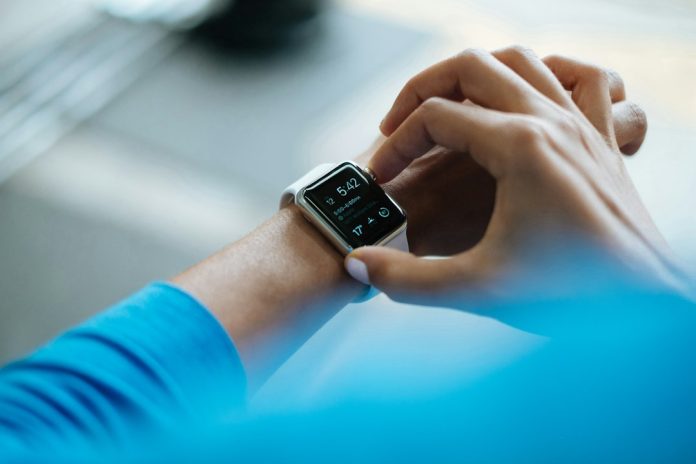
A blood-pressure value on a smartwatch can feel reassuring because it is immediate, personal and displayed with apparent precision. But a number on the wrist is not automatically a clinically reliable measurement. In a September 16, 2025 safety communication, the U.S. Food and Drug Administration warned consumers not to use unauthorized devices or software features that claim to measure blood pressure. The agency said inaccurate readings may lead people to delay care, change treatment incorrectly or worry about a result that is not real.
This does not mean every connected health device is useless. It means the claim, the device and the way you use it all matter. Before you act on a smartwatch blood-pressure result, work through these seven checks.
1. Confirm what the feature actually measures
Some watches measure heart rate, some estimate trends, and others pair with an inflatable cuff. A marketing screen may use words such as “blood-pressure insights” without promising a medical-grade systolic and diastolic measurement. Read the feature description and the instructions for use. If the feature is designed only for wellness or trend tracking, do not treat its display as a diagnosis.
2. Check authorization in your country
Regulatory status is specific to a product, model, software version and jurisdiction. In the United States, the FDA advises consumers to look for authorized blood-pressure devices in its 510(k) database; the relevant product code is DXN. Outside the United States, check the competent national or regional regulator and the manufacturer’s official documentation. A familiar brand name does not prove that every health feature on every model has been authorized.
3. Read the setup and calibration requirements
Some wrist-based systems require calibration against a validated upper-arm cuff. Calibration is not a one-time ritual to skip: posture, cuff size, software updates and the interval specified by the manufacturer can all affect the result. If the instructions require comparison with a conventional cuff, follow the exact sequence and repeat it at the stated interval.
4. Control the measurement conditions
Blood pressure changes with movement, stress, caffeine, recent exercise, temperature and body position. Sit quietly, support your back and feet, keep the arm in the recommended position and avoid talking during the reading. A number obtained while walking, carrying a bag or rushing to a meeting should not be compared with a resting clinic measurement as if the conditions were identical.
5. Look for a pattern, not a single surprising value
One unusual reading can be caused by technique, fit or temporary physiology. If the value is unexpected and you feel well, repeat the measurement according to the instructions and confirm it with a validated upper-arm monitor when available. Keep a short log with the time, symptoms, device and conditions. A consistent pattern is more informative to a clinician than a screenshot with no context.
6. Do not change medication from a watch reading
Never start, stop or alter prescribed blood-pressure medicine solely because a wearable displays a high or low result. Share repeated readings with your healthcare professional, together with the make and model of the device and whether it was calibrated. The FDA’s warning is especially relevant for people whose treatment decisions depend on accurate measurements.
7. Know when the situation is urgent
A device check should never delay emergency care. Seek urgent medical help for symptoms such as chest pain, severe shortness of breath, fainting, sudden weakness or numbness, confusion, severe headache, or a new problem with speech or vision. If a reading is extremely high or low and you have concerning symptoms, use emergency services rather than troubleshooting the watch.
A practical comparison plan
If you want to assess a wearable feature, bring it to a routine appointment and compare its readings with a properly sized, validated upper-arm cuff under the clinician’s guidance. Note that agreement on one occasion does not guarantee accuracy in every setting. Software changes can also alter performance, so keep the device and companion app updated and review any new instructions.
The safest way to use a smartwatch blood-pressure feature is as one piece of information, not as the sole basis for diagnosis or treatment. Verify the product’s status, follow the technique precisely, confirm unexpected values and involve a qualified professional when the pattern matters.
Source: U.S. Food and Drug Administration safety communication, issued September 16, 2025. This article is general information and does not replace medical advice.