Falls are not an unavoidable part of ageing. They often result from several small risks acting together: reduced strength or balance, a medicine that causes dizziness, poor vision, unsuitable footwear and hazards in the home.
The Centers for Disease Control and Prevention reports that falls among adults aged 65 and older caused more than 43,000 deaths in the United States in 2024 and led to about 4.5 million emergency-department visits. Those figures describe a serious public-health problem, but they also support a practical message: many risk factors can be reduced.
1. Clear the walking routes
Remove loose items, cables, shoes and low furniture from the routes used most often. Pay particular attention to the path between the bedroom and bathroom, because it may be used at night when a person is tired or moving quickly.
Loose rugs can slide or catch a foot. Remove them or secure them with a non-slip backing. Furniture should leave enough room for a walking aid if one is used.
2. Improve lighting before adding more furniture
Stairs, hallways, entrances and bathrooms need even lighting without deep shadows. Place switches where they can be reached before entering a dark area, and consider night lights for overnight routes.
Glare can also reduce visibility. A brighter bulb is not always better if it reflects from polished flooring or directly into the eyes. The goal is clear contrast at steps, thresholds and changes in floor level.
3. Check stairs and handrails
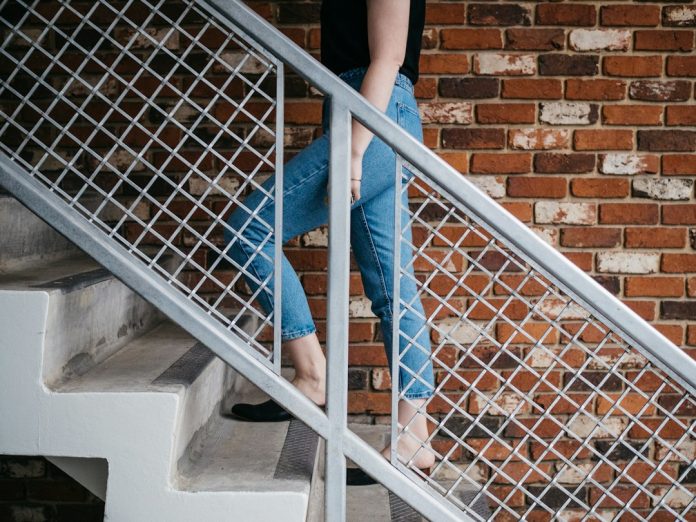
Steps should be even, uncluttered and easy to distinguish. Repair loose boards or damaged edges, and use secure handrails. A person who relies on one side of the body may benefit from support that is available throughout the full flight.
Avoid carrying bulky objects that block the view of the steps. If an item is too large to carry while maintaining a stable grip, ask for help.
4. Make the bathroom easier to use
Wet surfaces increase slip risk. Use non-slip materials in the shower or bath, keep frequently used items within comfortable reach and consider professionally installed grab bars where additional support is needed.
Towel rails and shower doors are not designed to carry body weight. They should never be treated as substitutes for proper support.
5. Review medicines and symptoms
Some prescription and over-the-counter medicines can contribute to sleepiness, dizziness, low blood pressure or slower reactions. A medicine review should be performed with a doctor or pharmacist, especially after a fall, a near fall or a new prescription.
Do not stop a medicine without professional advice. Report faintness, unsteadiness, new weakness or repeated loss of balance promptly, because these symptoms may require medical assessment.
6. Protect vision, feet and footwear
Vision changes can make steps and obstacles harder to judge. Keep eye examinations up to date and use the correct prescription. Foot pain, reduced sensation and poorly fitting shoes can also alter walking.
Choose footwear that fits securely and provides stable contact with the floor. Slippers without heel support and smooth soles may be less predictable on stairs or hard surfaces.
7. Build strength and balance safely
Lower-body weakness and balance difficulty are modifiable risk factors. Regular activity and appropriately supervised strength or balance exercises can help, but the right programme depends on health, mobility and previous falls.
Anyone with repeated falls, fainting, chest symptoms, a new neurological symptom or an injury should seek medical care rather than relying only on home changes.
Turn the checklist into a routine
Walk through the home at different times of day and note where light, clutter, wet surfaces or awkward reaches create problems. Repeat the review after a hospital stay, a change in mobility, a new medicine or a move to a different room.
The CDC’s current overview and prevention resources are available at cdc.gov.
This article is for general information and does not replace individual medical advice or a professional home-safety assessment.