Lowering LDL cholesterol usually does not depend on finding one “perfect” food. It is more often the result of a pattern you can repeat: meals lower in saturated fat, more foods that provide soluble fiber, regular physical activity, and follow-up with a healthcare professional when medication or closer monitoring is needed.
The National Heart, Lung, and Blood Institute’s Therapeutic Lifestyle Changes program brings these elements together. Its value is not a promise of a quick fix. It is a practical framework for changing several controllable factors at the same time.
Start with the fats you use most often
Saturated fat can raise LDL cholesterol in many people. Common sources include fatty cuts of meat, processed meat, butter, full-fat dairy products, coconut oil, palm oil and many baked or fried foods. A useful first step is to identify the two or three sources you eat most often rather than trying to redesign every meal at once.
Swaps work best when they preserve the role a food plays. Olive or other unsaturated plant oils can replace butter in many recipes. Beans, lentils, fish or skinless poultry can replace some meals built around higher-fat meat. Lower-fat or unsweetened dairy options may fit people who use milk or yogurt regularly. The goal is not to remove all fat, but to shift the balance toward unsaturated fats.
Add soluble fiber gradually
Soluble fiber can help reduce cholesterol absorption. Oats, barley, beans, lentils, apples, citrus fruit and some vegetables can contribute. Increase fiber gradually and drink enough fluid, because a sudden jump may cause bloating or discomfort.
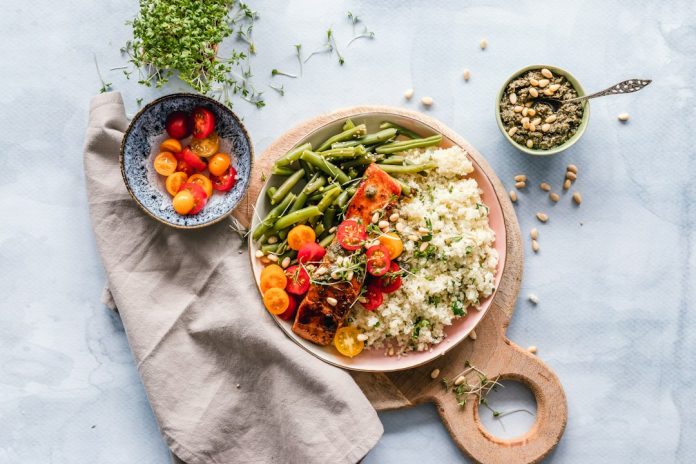
Think in repeatable meal components. Oatmeal with fruit can be a reliable breakfast. A bean-based soup or lentil salad can cover several lunches. Adding vegetables and a whole grain to dinner can improve the overall pattern without requiring a specialized diet product.
Use activity as part of the plan
Physical activity supports heart health and weight management and can improve several cardiovascular risk factors. A weekly plan is easier to maintain when it includes both moderate aerobic movement and muscle-strengthening work, adjusted for your health, ability and schedule.
If you are currently inactive, small increases are meaningful. A ten-minute walk after a meal, a short cycling session, or two brief strength sessions can create a base. Build duration and intensity gradually. People with chest pain, severe shortness of breath, fainting, major mobility limitations or unstable medical conditions should get individualized advice before increasing exercise.
Make the environment do some of the work
Willpower is unreliable when the default options stay the same. Put the foods you intend to eat where they are visible and easy to prepare. Keep a simple shopping list for breakfast, lunch and snack staples. Decide in advance which restaurant choices fit your plan. If family members share meals, change the common cooking fats and side dishes so the healthier option is not a separate project.
Label reading can also help. Compare saturated fat, added sugars, sodium and fiber between similar products. Serving sizes matter: a low number on the label may not describe the portion you actually eat.
Track the behavior before chasing the number
A laboratory result changes more slowly than a daily habit. For the first few weeks, track whether the planned meals and activity sessions happened. This creates information you can use. If the plan fails repeatedly, make the step smaller or change the environment rather than assuming you lack motivation.
Your clinician can advise when to repeat a lipid panel and how to interpret LDL, HDL, triglycerides and other measures in the context of your age, blood pressure, diabetes status, smoking, family history and overall cardiovascular risk.
Lifestyle and medication are not rivals
Some people can improve cholesterol substantially through lifestyle changes. Others need medication because their starting risk is higher, their LDL level remains elevated, or inherited factors play a major role. Taking prescribed medication does not make food and activity irrelevant, and improving habits is not a reason to stop medication on your own.
If you already take a statin or another cholesterol-lowering medicine, continue it as prescribed and discuss side effects or concerns with your healthcare professional. The safest plan combines the right treatment with habits that can last.
Bottom line: focus on a repeatable pattern—less saturated fat, more soluble-fiber foods, regular movement and appropriate clinical follow-up. Small actions become useful when they are consistent enough to affect the weeks and months between cholesterol tests.
This article is for general education and does not replace personal medical advice. Seek urgent care for chest pain, severe shortness of breath, fainting or other symptoms that may signal an emergency.
Source: National Heart, Lung, and Blood Institute — Therapeutic Lifestyle Changes (updated 26 February 2026).