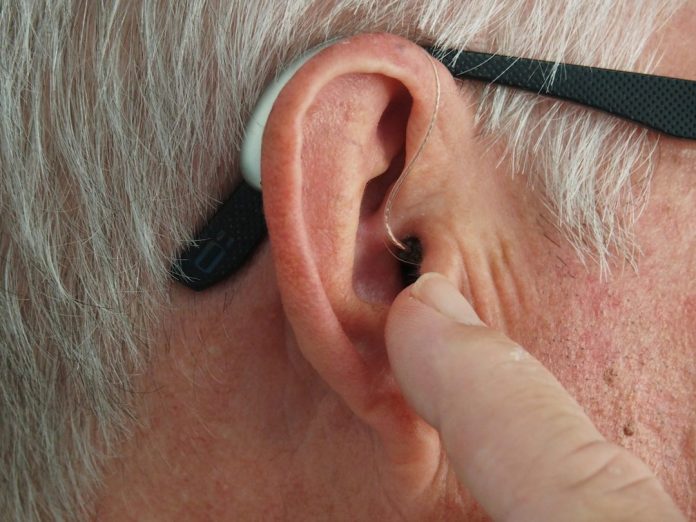
Over-the-counter hearing aids can make hearing support easier to access, but they are not interchangeable with every device that makes sound louder. In the United States, the Food and Drug Administration defines OTC hearing aids for adults aged 18 and older with perceived mild to moderate hearing loss. They are medical devices, while personal sound amplification products are intended for people with normal hearing who want louder sound in specific situations.
That distinction is the first reason to slow down before buying. A device can look like a hearing aid in an online listing without being suitable for your hearing problem.
1. Confirm that the product is intended for your situation
OTC hearing aids are intended for adults, not children, and for perceived mild to moderate hearing loss. They may be reasonable when speech sometimes sounds muffled, you ask people to repeat themselves, or you turn up the television but can still hear in many everyday settings.
They are not designed to manage severe or profound hearing loss. If communication is difficult even in quiet settings, or amplification has not helped, a professional hearing assessment can clarify the type and degree of loss.
2. Check for symptoms that need medical attention
Do not use a purchase as a substitute for evaluation when hearing changes suddenly, affects one ear much more than the other, or comes with ear pain, drainage, bleeding, significant dizziness, or a feeling that something is blocking the ear. These features can point to a condition that needs assessment rather than simple amplification.
Sudden hearing loss is time-sensitive. Seek prompt medical care instead of waiting to see whether a new device solves the problem.
3. Read the outside package before paying
FDA rules require important information on OTC hearing-aid packaging. Check the intended user, warnings, manufacturer details and what is included. The package should make clear that the product is an OTC hearing aid and that it is not for people younger than 18.
For an online purchase, look for the complete outside-box labeling before you order. If the seller does not show it, request it from the seller or manufacturer. A polished product page is not a replacement for required labeling.
4. Understand how the device is adjusted
Some products offer basic volume controls and preset programs. Self-fitting devices may use an app, software or an in-product hearing check to personalize settings. Neither approach is automatically better for every person.
Ask whether you can adjust the device without assistance, whether the app works with your phone, what happens if the app stops receiving updates and whether the settings can be restored. People with limited dexterity or vision may also need to evaluate button size, charging, battery changes and cleaning.
5. Compare the return policy with the adjustment period
Hearing aids take time to get used to. Everyday sounds may initially seem unusually sharp, and the brain needs time to adapt to amplified speech and background noise. A return window that ends before you can test the device in several real situations may offer little protection.
Before paying, record the return deadline, restocking fee, shipping responsibility, warranty and the process for repairs. Keep the receipt and packaging until you are confident the device is suitable.
6. Test function, comfort and communication separately
Louder sound is not the same as clearer communication. Test the hearing aid in quiet conversation, a group setting, television listening and a moderately noisy environment. Check both ears if both are affected.
Note feedback whistling, discomfort, poor fit, distorted sound and difficulty understanding speech. Start with conservative settings. Excessive volume can be uncomfortable and does not correct every cause of hearing difficulty.
7. Plan follow-up instead of treating the purchase as final
If the device provides little benefit, repeatedly falls out, causes pain or requires constant high volume, stop and reassess. An audiologist or other qualified hearing professional can test hearing, check fit and help distinguish between device limitations and a different underlying problem.
Even when an OTC product works, hearing can change. Keep track of communication difficulty, device settings and any new symptoms.
What to keep in mind outside the United States
The OTC category described here is specific to U.S. FDA rules. Product categories, professional requirements and consumer protections differ by country. Check the regulator and health-service guidance where you live before relying on a product label.
The bottom line
An OTC hearing aid can be a useful option for an adult with perceived mild to moderate hearing loss. The safest decision combines correct product category, clear labeling, a workable return policy, realistic expectations and medical evaluation when warning signs are present.
Sources: FDA: OTC Hearing Aids—What You Should Know; FDA: Hearing Aids.